When driving in fog, the most critical performance of car headlights is light penetration, not raw brightness. Many drivers believe higher‑lumen headlights deliver better vision in fog. On the contrary, high‑lumen light with excessive color temperature scatters heavily through fog droplets and creates the well‑known “white‑wall effect”, reducing actual visibility. For fog‑condition lighting, color temperature and light spectrum take priority, while lumen output works as complementary reference. Balancing both factors brings reliable night‑fog performance.
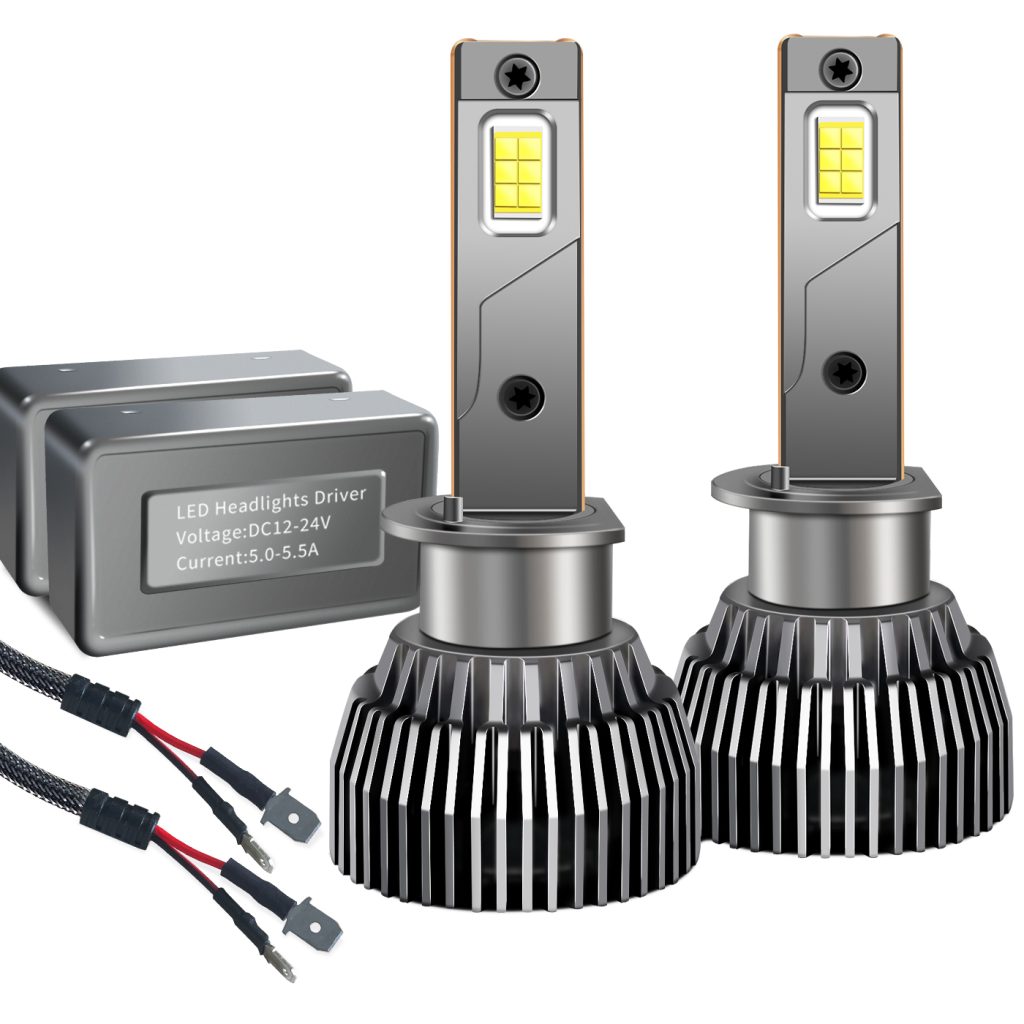
1. Fog‑Performance Comparison of Different Headlight Sources
| Headlight Type | Typical Lumens | Color Temperature | Fog Penetration | Features |
|---|---|---|---|---|
| Halogen | ~1000 lm (55W) | 3000K warm yellow | ★★★★★ | Best‑in‑class penetration, ideal for fog |
| Xenon HID | ~3200 lm (35W) | 4300K‑6000K | ★★★★ | High brightness; 4300K keeps decent fog performance |
| LED | ~3200 lm (35W) | 5000K‑6500K | ★★★ | High‑cool‑temp versions suffer heavy light scatter |
| Laser Headlight | ~170 lm per watt | Relatively high | ★★ | Peak center brightness, poor wide‑angle fog penetration |
Brightness Ranking: Laser > Xenon HID > LED > Halogen
Penetration Ranking: Halogen > 4300K Xenon > Low‑temp LED > High‑temp LED > Laser
2. Understand Lumen Requirement for Fog: Color Temperature Dominates Penetration
Tiny water droplets suspend in fog. Light of different color temperature carries different wavelength and reacts differently to fog scattering.
- Higher color temperature produces bluish‑white short‑wavelength light. It scatters violently inside fog and loses penetration, even with high lumen output.
- Lower color temperature outputs warm‑yellow long‑wavelength light, less affected by fog scattering and delivers better penetration.
Key conclusion: Higher lumen cannot compensate poor penetration caused by excessive color temperature under foggy weather.
3. Real‑world Fog Suitability for Each Light Source
Halogen Headlight|Preferred for Fog
Only around 1000 lumens is enough for short‑range illumination and warning in fog. Warm‑yellow long‑wavelength light minimizes scattering. Perfect choice for fog lamp or auxiliary lighting.
Xenon HID|Color temperature matters most
3200‑lumen output is sufficient for general use. 4300K warm‑white version is recommended, balancing brightness and fog‑penetrating ability.
Models above 6000K suffer severe performance drop in fog.
LED Headlight|High color temperature is the main weakness
3200‑lumen LED performs excellently on clear nights, yet avoid 6000K+ cool white for fog scenarios.
Select 4300K‑5000K low‑color‑temperature LED. If you already run high‑cool‑temp LED main headlights, keep factory halogen fog lamps as supplementary lighting.
⚠️LED bulbs over 6000K easily trigger white‑wall reflection in heavy fog and distract drivers.
Laser Headlight|Limited practicality in fog
Laser headlights deliver powerful central brightness, yet most come with high color temperature and narrow beam angle. Their fog‑day performance cannot match halogen or low‑temperature xenon lamps.
4. Comprehensive Tips for Driving in Fog
- Do not over‑pursue lumens: Prioritize penetration and color temperature instead of chasing maximum lumen figures.
- Retain halogen fog lamps: If main headlights are high‑temp LED or xenon, keep halogen fog lamps. Fog lamps usually run 3000K‑3500K and are the most effective light source for fog.
- Correct light operation: Turn on low beam plus fog lamps in fog. Never use high beam. High‑beam light reflects directly off fog and creates blinding white reflection, further cutting visual distance.
- Lights are only assistance: Even premium headlights cannot replace reduced driving speed. Lower vehicle speed is the core guarantee when visibility drops.
Summary: For fog‑condition driving, halogen headlights at 1000 lumens meet basic illumination needs. Xenon and LED headlights can reach 3200 lumens high brightness, but you must choose 4300K‑5000K low‑color‑temperature variants and work together with halogen fog lamps to ensure safe vision in fog.