Considering energy consumption, safety, durability, and design flexibility, LEDs are the better choice for automotive lighting. This article systematically argues this conclusion from technical characteristics, use‑case scenarios, and design trends.
- Energy efficiency and environmental benefits
LEDs consume only 1/20th of the energy that halogens use – far less than xenon – significantly reducing the vehicle’s electrical load over time, aligning with modern green‑mobility trends. Their luminous efficacy reaches 80‑90%, and their low‑voltage DC drive enables compact, simple construction. Operating temperatures are only 50‑70°C – unlike xenon lamps, which generate high heat that can yellow or age the housing.
- Safety and response time
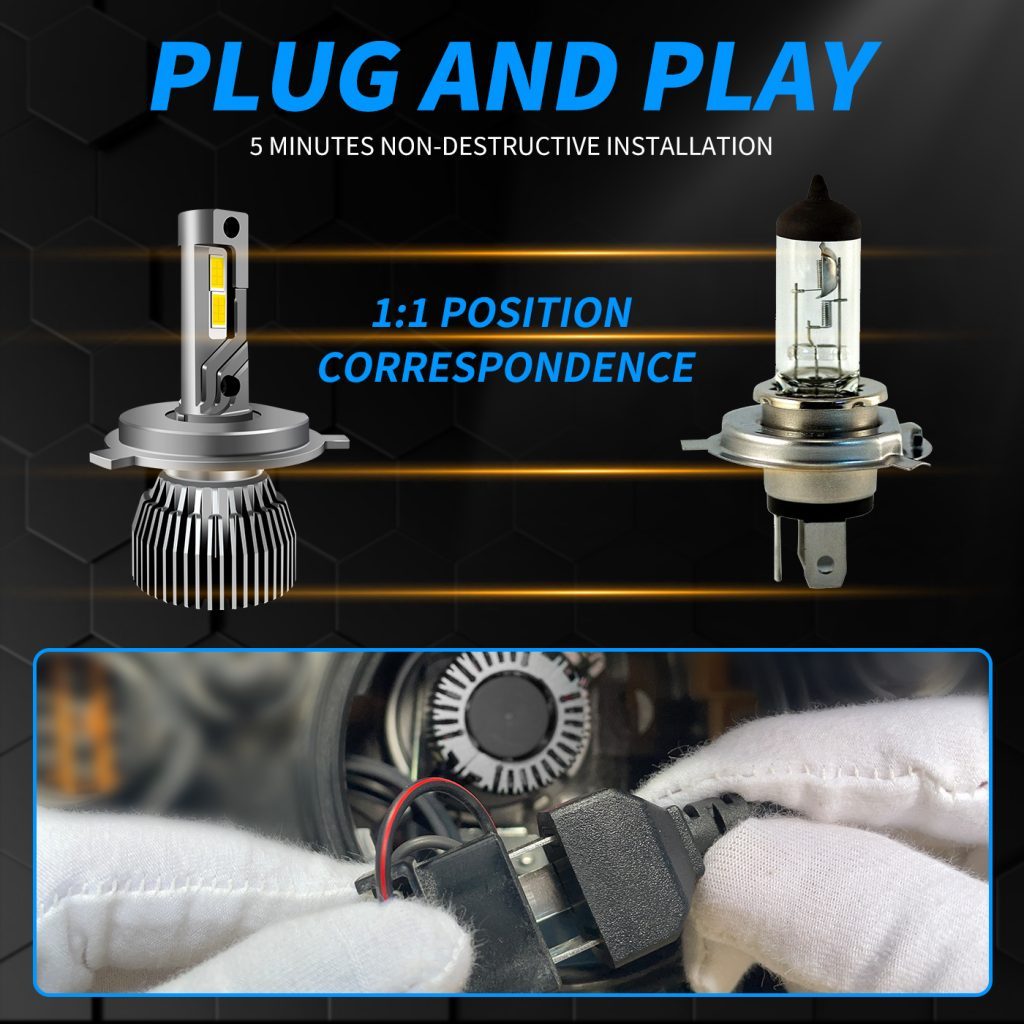
LEDs light up in microseconds – illuminating the road instantly – eliminating the 5‑15 second start‑up delay that xenon lamps suffer. In emergencies – such as sudden night‑time lighting needs or overtaking – LEDs deliver full brightness immediately, greatly enhancing driving safety.
On‑coming safety: LEDs distribute light more evenly, reducing glare for oncoming traffic. Xenon lamps, due to their operating principle, tend to scatter light – and without proper lenses, can cause visual distraction to other road users.
- Durability and maintenance
LEDs last over a hundred times longer than xenon lamps, requiring virtually no replacement over the vehicle’s life – saving owners time and money. Xenon start‑up delay worsens in cold conditions, affecting winter driving experience; LEDs are unaffected by temperature, performing reliably from -30°C to +40°C, ensuring all‑weather lighting.
- Design flexibility and intelligence
The compact size of LEDs opens up new possibilities for exterior styling. Many brands now use LED light units as signature design elements – distinctive light strips and dynamic start‑up animations enhance the vehicle’s high‑tech look and brand identity. LEDs’ programmable nature also enables sequential turn signals, breathing headlights, and other interactive lighting effects.
In contrast, xenon lamps require bulky ballasts, limiting designers’ creative freedom.
- Fog and rain performance
While xenon penetration in fog/rain has been recognised, LED technology has caught up – with colour‑temperature and wavelength tuning now allowing some LEDs to achieve penetration close to halogen levels, while retaining high brightness.
- Overall conclusion
LEDs’ combined advantages in energy efficiency, safety, durability, and design flexibility make them the mainstream choice for automotive lighting. Though xenon still has its place in certain scenarios, as LED technology matures and costs fall, the trend toward LED replacement is unmistakable. Choosing LEDs not only improves daily driving convenience and safety but also aligns with the future direction of automotive technology, delivering a superior lighting experience.