The answer isn’t a simple yes or no – it depends on your car’s existing setup. The key factors are: matching the bulb base, having the right optical structure (lens or reflector), and adjusting the beam pattern correctly. Swapping blindly often leads to glare, scattered light, failed inspections, or even electrical issues.
- Key steps and things to watch out for
Confirm the bulb type and base: check your owner’s manual or pull out the old bulb to identify the code (common ones include H1, H4, H7, H11, 9005, etc.). Never use a mismatched type – it can cause poor contact or melt the socket.
Check your car’s optical setup:
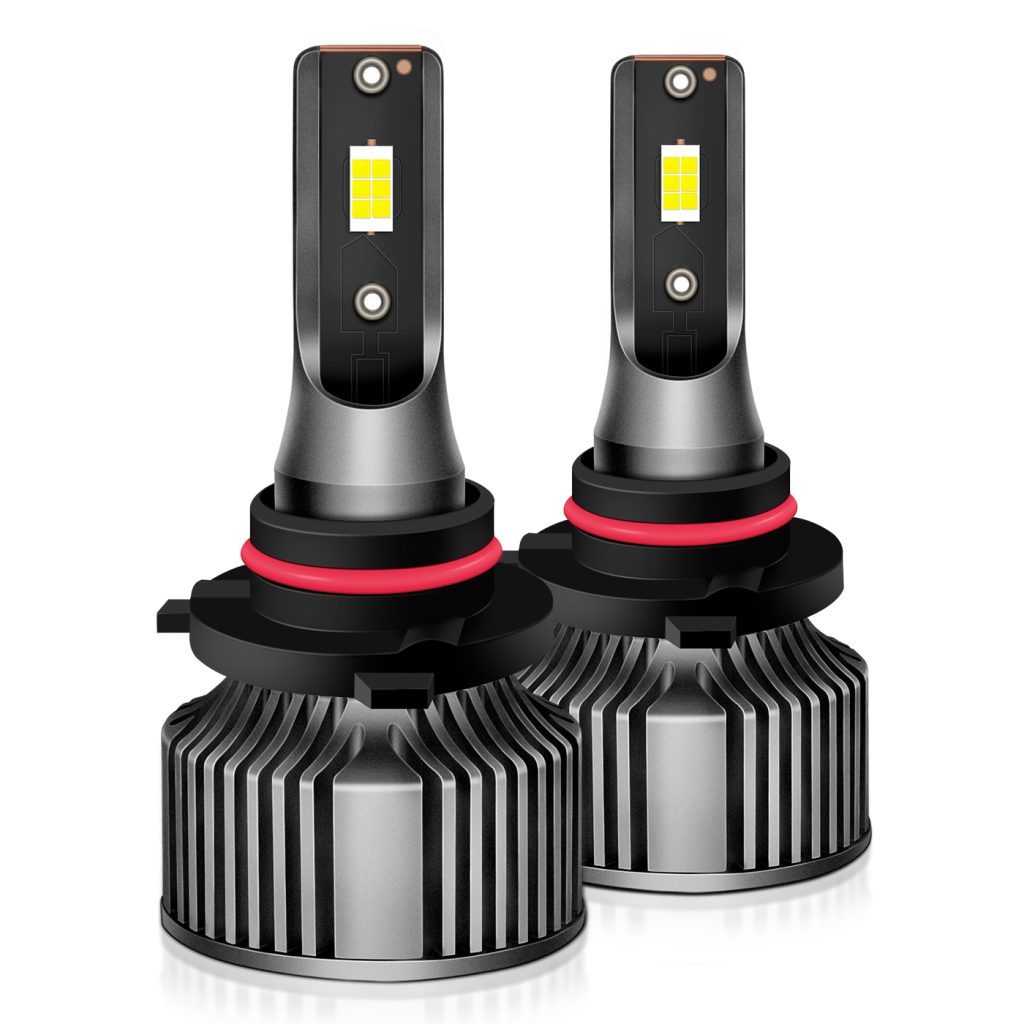
If your car already has a projector lens, you can directly swap in a compatible LED bulb – but make sure the LED’s light‑emitting point sits exactly where the halogen filament used to be (1:1 replication). Otherwise, the beam pattern will still be off.
If your car only has a reflector bowl (no lens), it’s strongly recommended to upgrade the entire unit to an LED bi‑xenon projector assembly. Swapping just the bulb will inevitably cause severe scatter, poor road coverage, and dangerous glare that breaks regulations.
Choose a certified product: look for 3C‑certified brands with a colour temperature between 4300K and 6000K (good balance for rain/fog penetration) and effective cooling (fan, copper pipe, or aluminium body). Cheap knockoffs can overheat and melt your headlight housing.
Installation and aiming: disconnect the power before working, and pay attention to polarity and clip orientation. After installation, you must adjust the beam height and horizontal cut‑off so that the low beam shows a clear “left‑lower, right‑higher” step line with no upward scatter.
Regulations and warranty: retrofits that meet national beam‑standard requirements usually pass annual inspections. However, cutting or splicing wires may void parts of your electrical warranty – keep your receipts and check with your dealer if you’re unsure.
- Upgrade options and estimated costs
Simple direct swap (only for cars with factory lenses): roughly 300–600 CNY. Quick to install, but the improvement is modest – and you must match the light‑emitting point precisely.
Full lens upgrade (for cars without lenses or those wanting best results): roughly 1600–2500 CNY (including installation for reputable domestic brands). This gives you a bi‑xenon lens + LED light source with a clean, legal beam pattern – highly recommended.
Warning: cheap no‑name bulbs (under 100 CNY) suffer from three big problems – weak output, glare, and poor cooling. They create large blind spots at night, increase accident risk, and will likely fail the inspection.
- Practical advice for installation
DIY or shop? If you have plenty of engine‑bay space and are handy with tools, you can try a plug‑and‑play swap yourself. But if the job involves removing the bumper, fine‑tuning the beam, or replacing the entire lens assembly, it’s better to leave it to a professional.
Must‑do checks: after installation, always test the cut‑off line against a wall at night, and take a test drive to see if oncoming drivers flash their lights at you. If the dashboard throws an error code, you may need to add a decoder.
Never touch the LED chips: wear gloves during installation – the oils from your fingers can cause localised overheating and speed up lumen depreciation.
- Broader considerations
LED headlights offer clear advantages – high brightness and low energy consumption – but the upgrade isn’t as simple as “unscrew the old one, screw in the new one.” Owners should choose reputable brands (like Philips, Osram, or FS Lighting) that match their specific model, and pay attention to wattage and colour temperature. For older cars that came with reflector bowls rather than lenses, replacing just the bulb will cause severe light scatter – these vehicles are better off with a complete lens assembly upgrade. Also, because LEDs are sensitive to heat, always prioritise good thermal design when shopping, and check the lights regularly for any signs of trouble.