This is a common question among drivers looking for a quick brightness boost. The short answer is: it’s not a good idea, and here’s why.
If you swap a 55W bulb for a 100W unit, the wiring itself might not fail immediately – but that’s missing the real issue. The biggest problem is heat. A 100W halogen bulb generates significantly more thermal energy than a 55W one. That extra heat can yellow or even melt the headlight lens over time, degrading both appearance and light output.
If you find the light still isn’t bright enough after the swap, a better alternative is to switch to xenon (HID) headlights. They produce much higher brightness while consuming less power than a 100W halogen, which means less heat and lower risk to plastic components inside the housing.
That said, any bulb upgrade requires careful attention to electrical compatibility. A 100W bulb draws nearly twice the current of the original 55W unit, which can strain your vehicle’s electrical system. Before making any change, it’s wise to consult a professional technician or check your owner’s manual to confirm that the new bulb’s power and type are within safe limits for your car.
Improper installation or over‑spec bulbs can cause circuit overload, and in extreme cases, even fire hazards. Always buy bulbs from reputable sources that meet your vehicle’s specifications, and have them fitted by a qualified person. That way, you get better lighting without compromising safety.
A Deeper Look: Why Blindly Increasing Wattage Is Risky
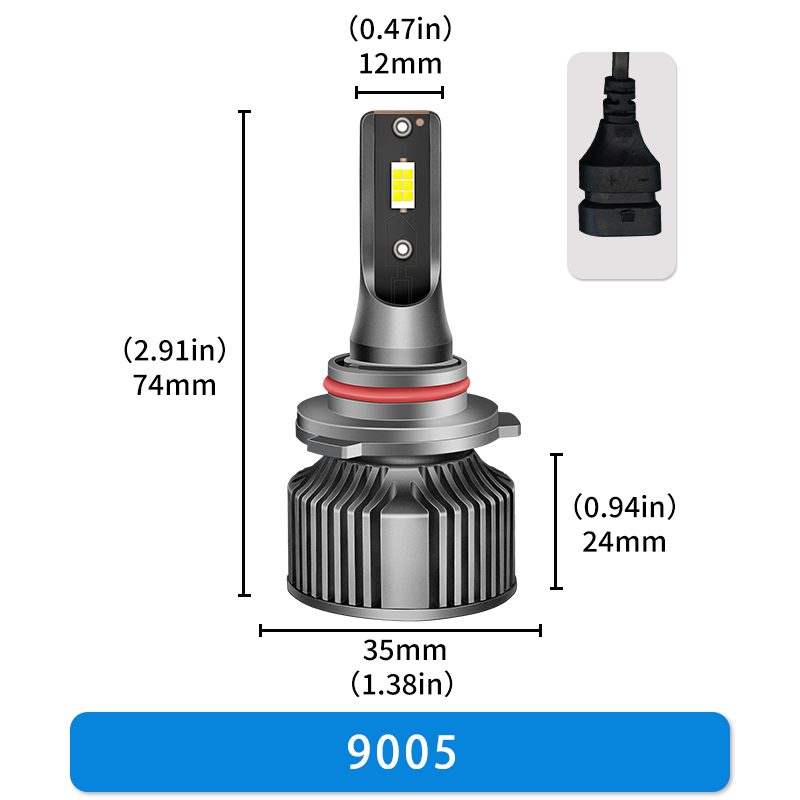
The technical side of upgrading headlights – whether it’s swapping in LED units or installing HID kits with ballasts – is fairly straightforward. Many DIYers and even some shops assume that if the connectors fit, it’s safe. But they often overlook the electrical and thermal limits of the original design.
Here’s the core rule: the wattage of any replacement bulb should match the original specification, because the wiring harness and fuse are sized exactly for that current draw. A 55W to 100W jump means the energy consumption goes from 55 joules per second to 100. That extra current causes the wires to heat up beyond their design limit – and that leads to trouble.
Insulation damage: the plastic insulation around the wiring softens under the extra heat, then hardens again when cooling down. Repeated cycles make it brittle, crack, and eventually peel off. Once bare wires touch and short out, the risk of an electrical fire becomes very real.
Fuse failure: the fuse is your first line of defence, but it’s rated for the original wattage. Real‑world tests show that upgrading from 35W to 65W can blow the fuse after a short period – both headlights go out at once. Imagine that happening on a motorway at night, with heavy trucks passing on your right and no hard shoulder to stop on.
Housing damage: excessive heat doesn’t just affect wires – it also attacks the headlight housing. In tests on scrap vehicles, over‑spec bulbs melted the fog‑light housings in a surprisingly short time. Even LEDs, which are often marketed as “cool”, can reach over 100°C; HID bulbs can hit 300°C. That kind of heat can deform reflectors and cloud or melt the lens over time.
The bottom line: don’t chase higher wattage for the sake of brightness. A well‑designed 35W HID or LED system is more than adequate for most driving needs – you might just find the colour temperature a bit warmer than you’d prefer. If you really want to upgrade, keep it to 55W or below. Going higher not only strains the electrical system but also creates overly intense light that can actually reduce your ability to judge distances and obstacles – making night driving less safe, not more.