There’s no single fixed power rating for LED headlights – it varies depending on the vehicle class, lighting system design, and factory configuration. For car owners, knowing the typical wattage range helps when choosing a new car or replacing bulbs to make a well‑informed decision.
Typical power range for mainstream family cars
Most factory‑fit LED headlights on popular sedans and SUVs fall between 22 and 35 watts. Take the Toyota Camry or Honda Accord as examples – both sit comfortably in that band. This power level delivers ample illumination, usually over 3500 lumens, which handles daily city commutes and highway night driving without any trouble.
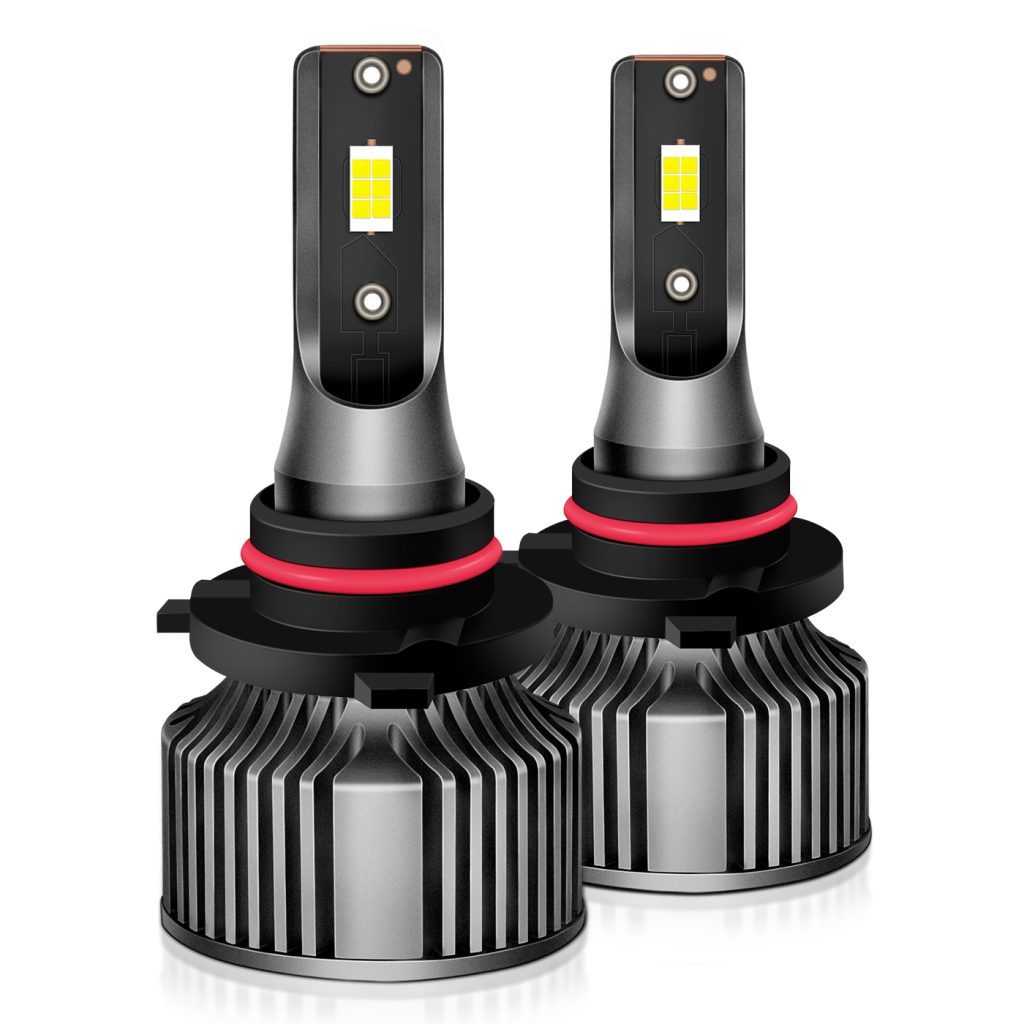
Differences across vehicle segments
Compact cars tend to run LEDs around 30 watts, while mid‑range or luxury models often push higher – some up to 50 watts – to achieve broader coverage and greater reach. That difference comes down to performance targets: premium cars frequently use multi‑module LED arrays that consume more power in exchange for extended beam range and brightness.
The efficiency advantage of LEDs
The real strength of LED headlights is their high luminous efficacy – they produce far more light per watt than old halogen bulbs, using only about one‑third the energy. Their lower current draw and reduced heat output are also kinder to the vehicle’s electrical system, lowering the load and cutting the risk of circuit faults.
What to watch when buying or upgrading
As a rule of thumb, 22–35 watts is a sensible reference for family‑car LEDs. If you’re unsure about a specific model’s specification, check the official equipment list or ask your dealer. When retrofitting, always choose a bulb with a wattage close to the original – going too high may overload the wiring and cause problems.
In short, the right power level depends on the car’s design and your typical usage. A balanced choice gives you good light, reasonable energy consumption, and safe operation. Understanding these numbers helps you make smarter decisions when maintaining or upgrading your headlights.
A quick note on modifications
If you’re planning an aftermarket upgrade, keep the power below 70 watts and always pick products with ECE certification. Avoid illegal or poorly designed kits that could harm the electrical system or create safety hazards.