1. Basic conclusion: yes, it’s allowed
Yes, you can replace xenon headlights with LEDs – this is not considered illegal modification. The conversion does not affect vehicle operation or annual inspection. LED headlights are a popular upgrade offering high brightness, low power consumption, and long life – enhancing night‑driving safety.
2. Technical feasibility and key considerations
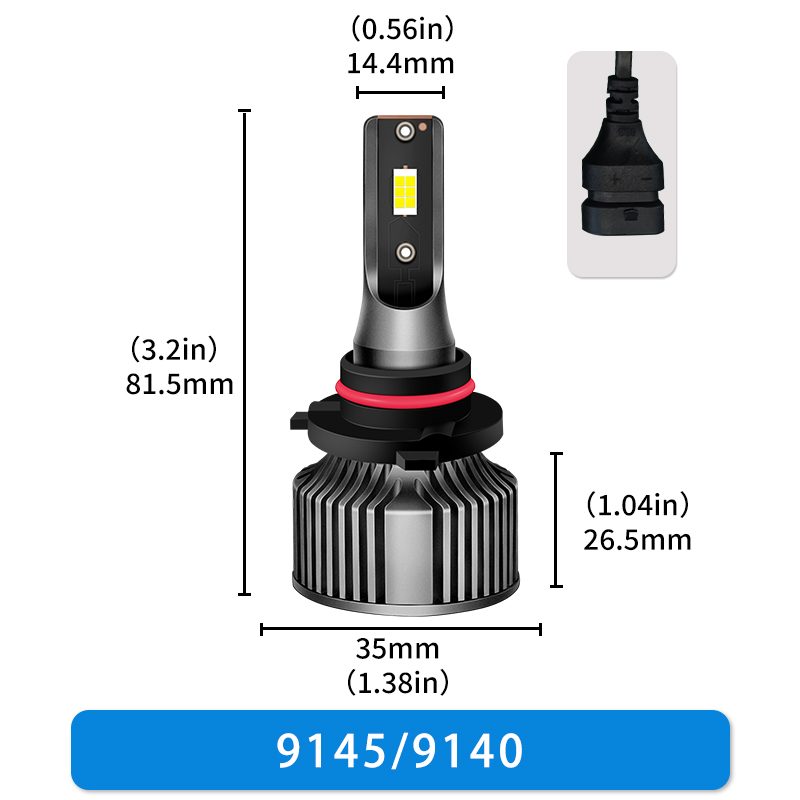
LEDs can directly replace xenon lamps, but the following points are critical:
- Cooling design: LEDs are sensitive to substrate temperature – ensure the retrofit kit has adequate heat sinks.
- Beam‑pattern matching: the original reflector bowl may not be compatible with the LED’s light‑emitting point – proper matching is essential.
- Voltage compatibility: the xenon ballast must be removed to avoid conflict with the LED driver.
- Inspection risks: some regions have restrictions on lighting modifications – check local regulations beforehand.
Lens requirement: an LED upgrade must include proper lenses to prevent scattered light and avoid dazzling oncoming traffic.
3. Core differences at a glance
| Dimension | Xenon (HID) | LED |
|---|---|---|
| Principle | High‑voltage gas discharge | Semiconductor emission |
| Start‑up | ~3 seconds to full brightness | Instant‑on |
| Colour temp | Typically 4300K warm white | 3000‑6000K adjustable |
| Energy use | Higher | 60% of xenon for same brightness |
4. Post‑upgrade experience
After a successful conversion, you can expect:
- Faster response: 0.5‑second quicker flashing for on‑coming traffic
- Lower energy draw: reduced battery load over time
- Extended lifespan: quality LEDs rated for 30,000+ hours
One caveat: LED light appears whiter and has weaker fog/rain penetration than xenon. If that doesn’t bother you, a bi‑LED projector setup is a good option.