The short answer is: it depends on your needs and budget. Both designs have their pros and cons, and the right choice varies from one vehicle to another. Here’s a balanced breakdown.
Integrated (built‑in) driver LEDs – the compact choice
Advantages:
No extra external power unit required – saves space under the bonnet.
Generally more affordable than external‑driver units.
High integration makes installation quicker and simpler – plug‑and‑play in most cases.
Disadvantages:
The driver and LED chips are housed together, which can limit heat dissipation compared to a separated design.
If the driver fails, the entire unit may need to be replaced, making repairs more complicated.
External (remote) driver LEDs – the flexible alternative
Advantages:
Better thermal management – the driver sits away from the LED module, so heat is spread out.
Easier to service – if the driver fails, you can swap just that component without changing the whole light.
Upgrade‑friendly – you can replace the LED module or the driver independently as technology improves.
Disadvantages:
Requires an extra external power connection (e.g., to the battery or a dedicated power feed).
Usually more expensive than integrated designs.
Installation can be trickier – more components, more wiring, and sometimes the need for additional brackets or mounting space.
Putting it simply
If you’re on a tighter budget and want a straightforward, hassle‑free fit, an integrated‑driver LED is probably your better bet.
If you prioritise cooling performance, long‑term reliability, and the flexibility to upgrade components down the road, then an external‑driver LED is worth the extra cost and effort.
A closer look from a design and usage perspective
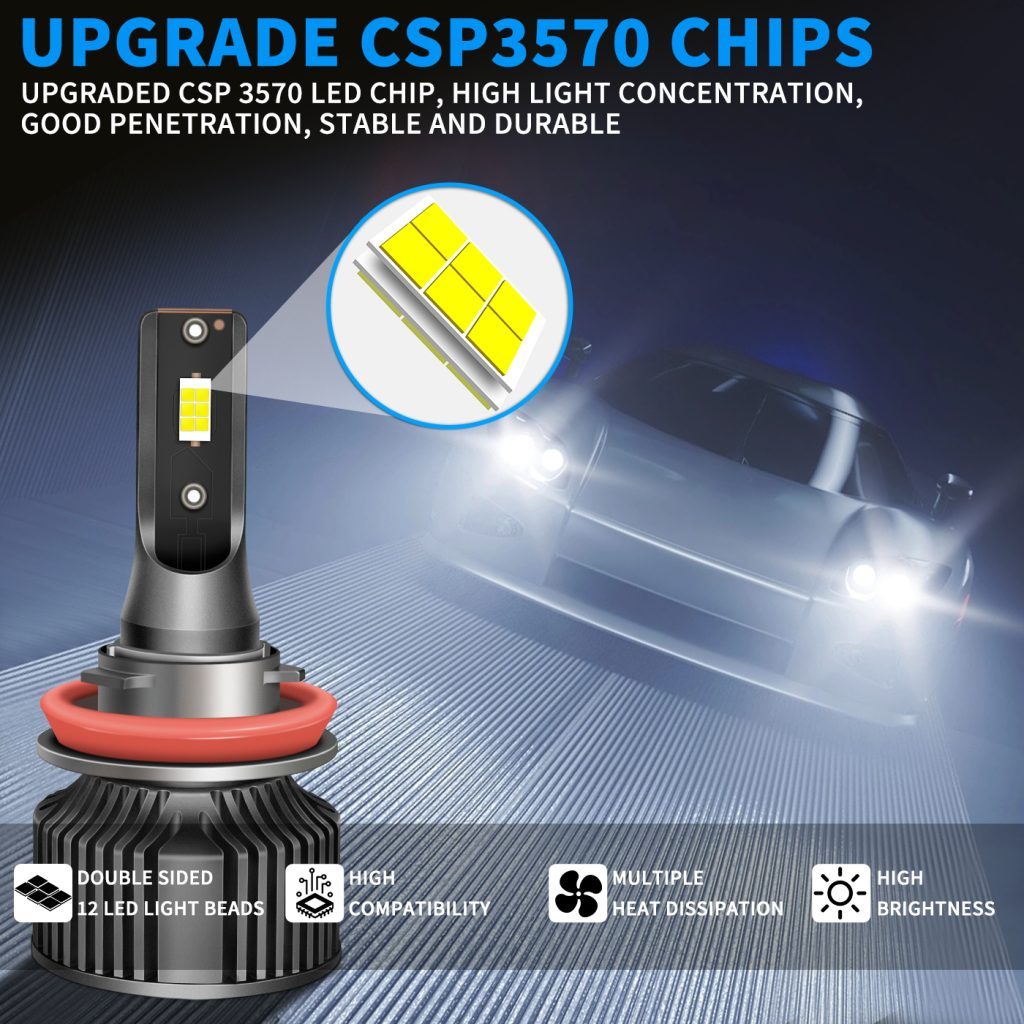
Integrated LED headlights stand out for their compact structure, which blends neatly into the vehicle’s existing layout and simplifies both installation and routine maintenance. They also deliver solid luminous efficiency and a decent service life, with relatively good heat dissipation that helps protect the LED chips over time.
External‑driver LEDs, on the other hand, tend to offer higher power output and a broader beam coverage, giving them an edge in raw lighting performance. They also often come with better waterproofing, making them more resilient in heavy rain or snow. And because the driver and light source are separate, you can swap or upgrade each part individually – a feature that appeals to enthusiasts and long‑term owners.
Final recommendation
When deciding, think about your vehicle’s specific layout, your typical driving environment, and your long‑term plans. If you want maximum brightness and ruggedness, lean towards external‑driver options. If you value a clean, simple installation with fewer components to mount, integrated drivers are perfectly adequate. Don’t forget to factor in price, brand reputation, and build quality – they matter just as much as the driver type.