The brightness of LED car headlights seems like a simple topic, yet it contains many technical details. Most car buyers get confused by various lumen labels and mistakenly believe higher lumens mean superior headlights. But is this really true?
1. Transient Lumen vs Steady-State Lumen: Do Not Be Fooled by Temporary Peak Brightness
Think about a flashlight you use in a dark corridor as a kid: it shines extremely bright the moment you turn it on, then dims gradually soon after. This natural transition from transient lumen to steady-state lumen also applies to automotive headlights.
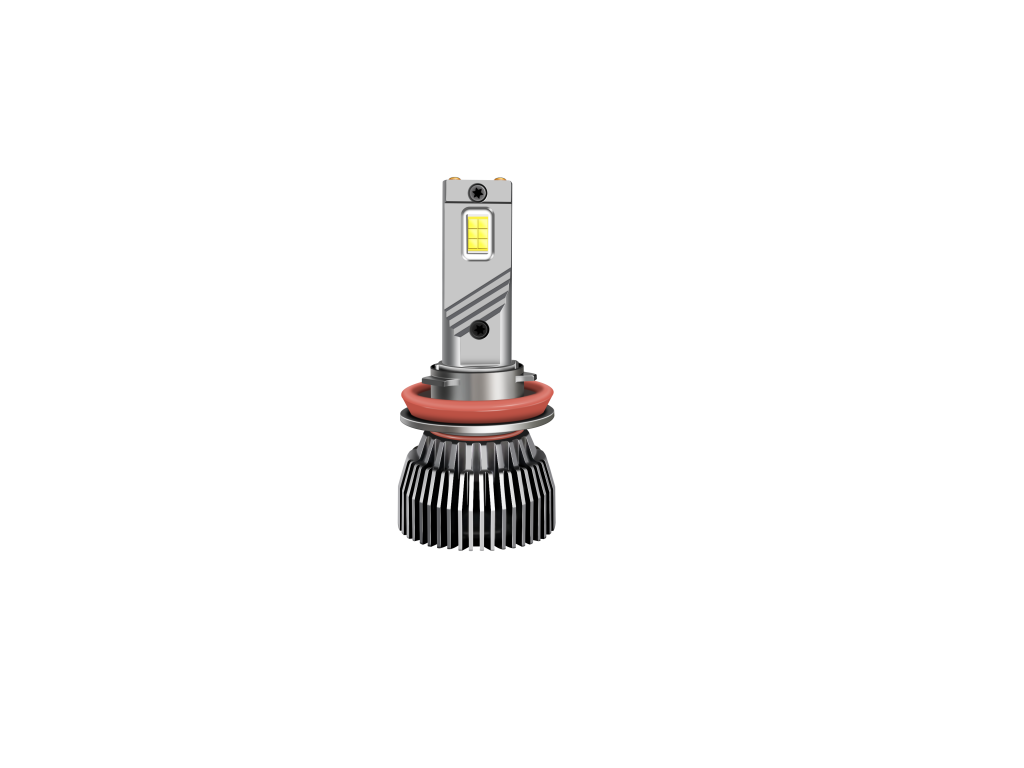
Steady-state lumen refers to the constant luminous flux value after the headlight has been lit for a period of time. For vehicle owners, steady-state lumen is the truest, most accurate and objective brightness indicator.
Therefore, do not only check the nominal lumen value when purchasing headlights; prioritize steady-state lumen data. Premium brands such as Osram attach great importance to this standard, and all lumen values marked on their products are steady-state lumens, ensuring consistent long-term lighting performance and safer night driving.
2. Correlation Between Wattage, Lumen & Power Consumption
Lumen is the measuring unit of luminous flux; higher lumens deliver brighter light. Higher wattage brings greater power draw. Thanks to advances in LED technology, LED lamps produce far brighter light than traditional halogen bulbs at the same power rating.
表格
| Light Source | Rated Power | Thermal Feature |
|---|---|---|
| Halogen Lamp | Around 55W | Moderate heat generation |
| Xenon HID Lamp | Around 35W | High operating temperature |
| LED Headlight | Around 25W | Low heat output, safer cold light source |
For standard 35W LED headlights, 91 lumens per watt is a reasonable benchmark, while the ideal luminous efficiency range falls between 80–100 lm/W, subject to original vehicle power and personal brightness needs.
For daily urban driving, 40W LED headlights with 4000 lumens deliver adequate illumination. If you demand stronger brightness, you may choose 60W / 6000lm models, but heat dissipation and local lighting regulations must be strictly followed.
3. Lumen & Wattage Are Not Everything: Heat Dissipation & Service Life Matter Equally
Headlight performance relies on balanced brightness, heat management and lifespan. High-brightness, high-power headlights require optimized thermal design. Without mature thermal technology, the lamps will operate under excessive heat, resulting in luminous decay, shortened service life and even potential safety hazards.
LED chips generate heat during light emission; insufficient heat dissipation drastically shortens lifespan and reduces stable brightness. When shopping, carefully examine the heat dissipation structure and materials to guarantee stable long-hour operation. You may also refer to real user reviews and professional lab test reports for reference.
4. Final Buying Takeaways
- Brightness: Judge by steady-state lumen instead of transient peak lumen
- Power Output: Match the factory lamp wattage with personal demands; 80–100 lm/W is the optimal luminous efficiency range
- Thermal Management: Heat dissipation design is non-negotiable for sustained high brightness
- Balanced Selection: Brightness, service life and heat dissipation must be weighed comprehensively; do not prioritize one single factor