It is not recommended to replace the original 55W car headlights with 100W bulbs. The vehicle’s original circuit system is engineered to match bulbs of a specific power rating. Fitting higher-wattage bulbs will overburden the electrical circuit, raising hidden risks to the car’s electrical components, and may even trigger fire hazards in severe cases. Additionally, 100W high-power bulbs may fail to match the original size of factory lamp bases, resulting in damaged bases or poor electrical contact. Following car manufacturers’ guidelines, choosing bulbs with matched power is always the sensible choice. If you want better lighting performance, you can upgrade to premium bulbs or adopt other compliant lighting modification solutions.
Bulbs generate heat while converting electric energy into light. Factory 55W headlights are perfectly matched with the vehicle’s original heat dissipation design. Directly switching to 100W bulbs will produce far more heat than the factory cooling system can handle, which may damage surrounding automotive parts.
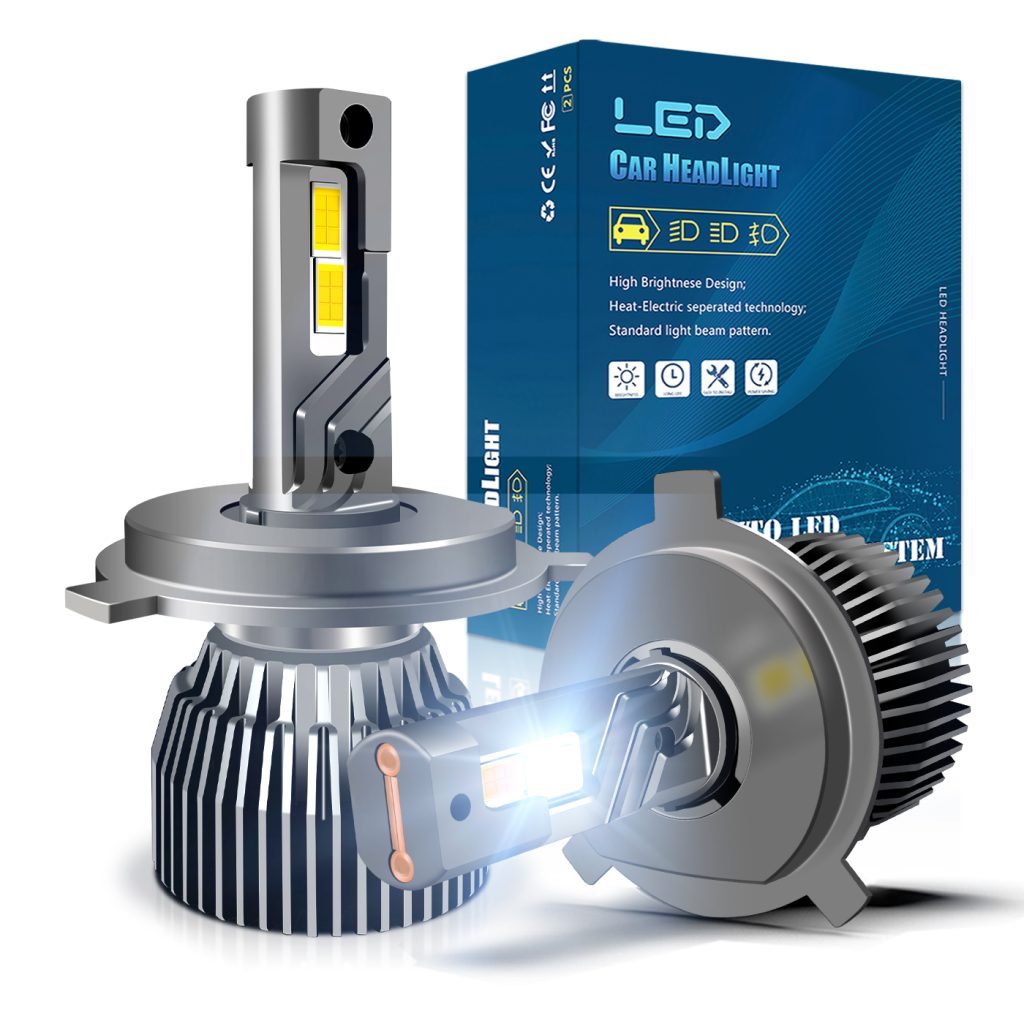
Upgrading the headlight circuit load from the stock 55W to 100W may trigger dashboard error warnings at minimum, or burn out the headlight control module in worse scenarios. For Volkswagen series vehicles retrofitted with LED bulbs, mismatched wattage and internal resistance often activate error lights on the instrument panel, requiring extra load resistors or decoders to eliminate warnings. Since higher wattage brings extra heat output, heat dissipation must be fully considered during any headlight upgrade.
Lamp bases, housings and headlight lenses are all manufactured to suit the original 55W power standard. Installing 100W bulbs may burn the lamp base connectors due to excessive heat, even scorch the headlight lens. This will reduce light transmittance, and in extreme cases, cause melting or spontaneous combustion of the headlight assembly.