Is It Necessary to Upgrade Your Car’s Headlights to LEDs?
Whether to upgrade your car’s headlights to LEDs is a decision worth careful consideration. LEDs offer compelling advantages in lifespan, brightness, and energy efficiency, but cost, cooling demands, and circuit compatibility may make them less suitable for some vehicles. This article examines the pros and cons to help you make an informed choice.
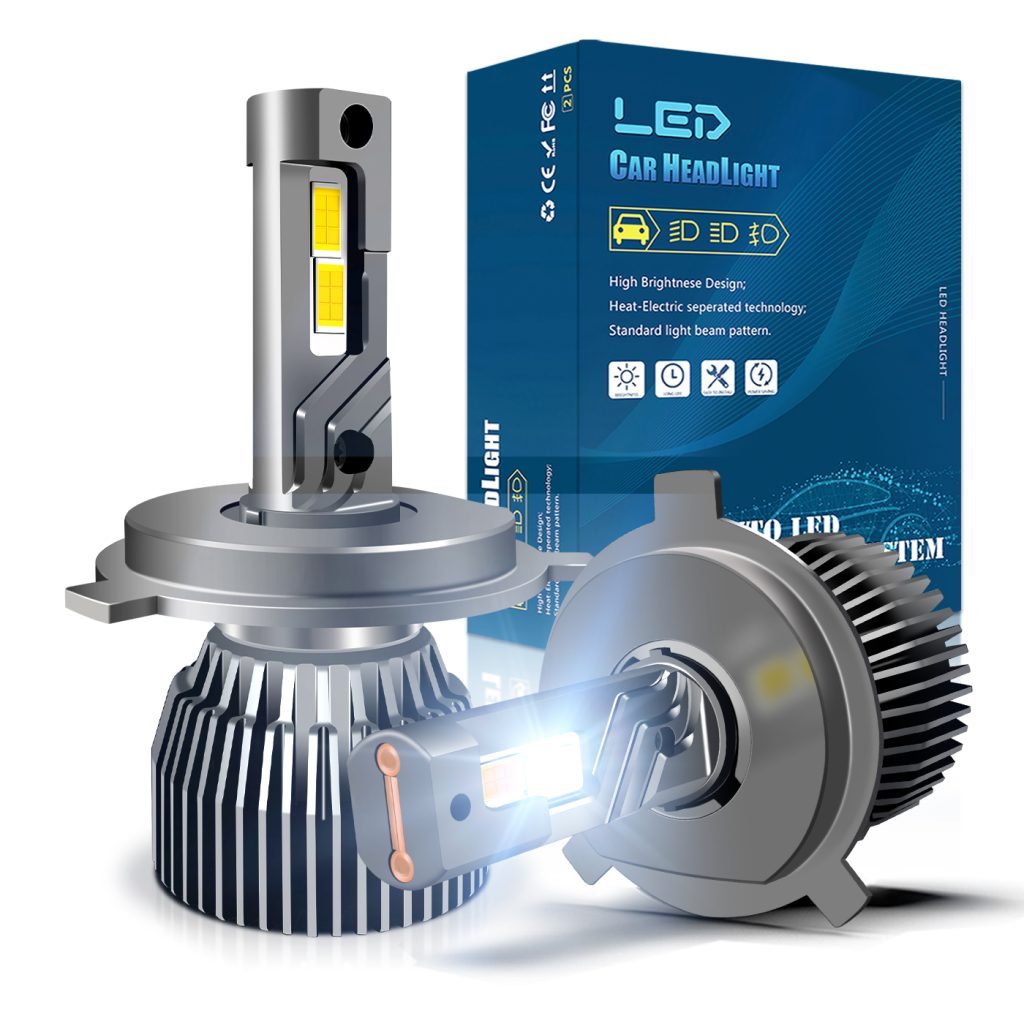
- Key Advantages of LED Headlights
Extended Lifespan
LEDs typically last 50,000 to 100,000 hours—dozens to hundreds of times longer than halogen bulbs (a few hundred to just over a thousand hours). For most vehicles, this means never needing to replace a bulb over the car’s entire service life, saving both time and money.
Energy Efficiency
LEDs produce red, amber, and other required colours directly without filtering, achieving electricity utilisation rates above 80%. Traditional bulbs waste much more energy in the lighting process. Lower energy consumption not only reduces overall vehicle energy use but can also extend the driving range of electric vehicles.
Superior Illumination
LEDs respond instantly, reaching full brightness in milliseconds—critical for brake and turn signals, allowing quicker communication with other road users. Their concentrated, high‑intensity beams provide better visibility, especially at night or in poor weather.
Easy Installation
LEDs connect directly to factory sockets, requiring no additional ballasts—unlike xenon systems—making the upgrade simpler.
Design Flexibility
The compact size of LEDs allows for a wide variety of shapes and configurations. Automakers use them to create distinctive lighting designs—such as signature light strips—enhancing technological appeal and brand identity.
- Limitations of LED Headlights
Higher Cost
An LED reverse lamp can cost around 30 CNY, compared to just 3 CNY for a traditional bulb. This cost gap means budget‑conscious owners must weigh the benefits carefully.
Heat Dissipation Challenges
LEDs generate heat during operation. Inadequate cooling leads to lumen depreciation—the gradual reduction of brightness over time. In high‑temperature environments, without effective cooling, brightness may drop noticeably, compromising performance and lifespan.
Circuit Compatibility Risks
Replacing halogen headlights with LEDs can sometimes cause electrical system malfunctions, triggering fault codes or lighting control issues. Compatibility checks or the addition of decoders may be necessary before upgrading.
- Final Recommendations
If you frequently drive at night, want brighter illumination, and have the budget, upgrading to LEDs is a worthwhile investment.
If you’re on a tight budget, drive an older vehicle, or have a sensitive electrical system, consider delaying the upgrade—or opt for high‑quality halogen bulbs of the same wattage.
Remember: safe driving depends primarily on appropriate speed and attentive observation. Lights are an aid, not a substitute.
Ultimately, the decision should be based on your specific driving needs, vehicle condition, and budget.