LED headlights deliver significantly better energy efficiency than HID xenon lamps. In terms of energy conversion efficiency, LEDs directly convert 80%–90% of electric energy into visible light and operate on low-voltage direct current with minimal energy loss. HID xenon lights, however, require a specific temperature to reach full brightness, generating extra energy waste during operation. Even at equal rated power, HID systems consume more actual power than LED alternatives.
For standard power specifications, most HID kits run at around 35W, while typical automotive LED headlights operate at 20–40W with far lower power draw. Reduced power load eases strain on the vehicle battery. Lower electricity consumption also indirectly cuts fuel usage for fuel-powered vehicles. Furthermore, LED headlights boast a service life of over 30,000 hours, greatly exceeding the 20,000-hour lifespan of xenon lamps. Fewer replacements lower recurring maintenance costs and resource waste, further highlighting LEDs’ comprehensive advantages in energy conservation.
From the fundamental energy conversion principle, the direct light-emitting characteristic is the core advantage of LED technology. Among traditional light sources, halogen bulbs waste most electricity in the form of heat. Though more efficient than halogen lamps, HID xenon lights still rely on high voltage to trigger gas discharge. Roughly 30% of input energy is lost as thermal radiation during operation. LED chips transform electricity into light directly via semiconductors, avoiding massive heat loss. LEDs reach full brightness instantly once powered, eliminating the multi-second warm-up phase required for xenon lights and cutting unnecessary power consumption.
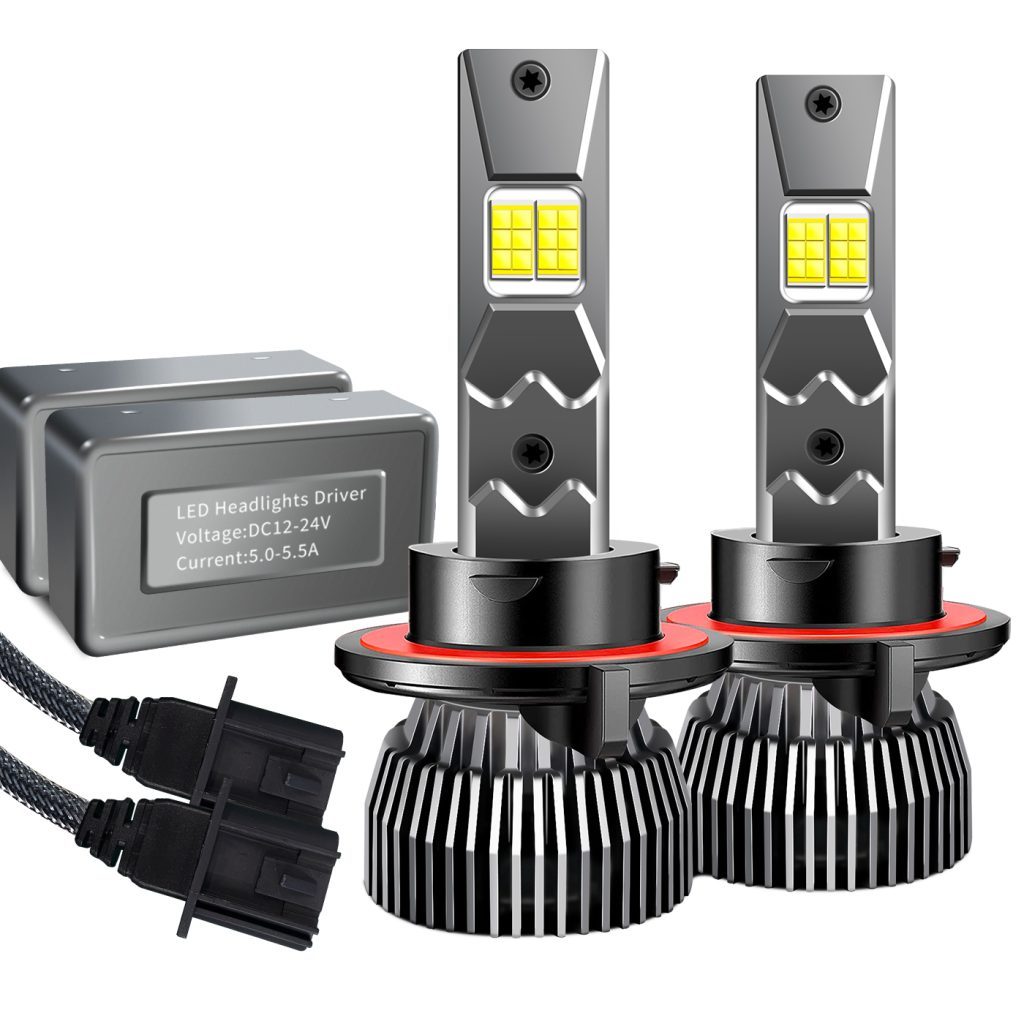
In practical driving scenarios, the low-power feature of LED lights offers outstanding protection for vehicle batteries. When vehicles idle or travel at low speeds, the alternator generates limited power. Continuous operation of 35W HID lights drains battery power steadily. Long-term use raises the risk of battery discharge, especially during cold winter startups. By contrast, LED headlights impose minimal load on batteries. Extended usage rarely shortens battery service life and reduces maintenance expenses caused by battery failures.
Additionally, the energy-saving benefits of LED lights accumulate noticeably over long-term use. Assume a vehicle travels 15,000 kilometers annually, with 30% of driving conducted at night. Based on hourly lighting operation, LED headlights consume approximately one-tenth of the electricity required by conventional HID lamps. Calculated with a standard 12V, 60Ah automotive battery, LEDs can save nearly 10 kWh of electricity each year. Translated to fuel consumption (with 30% engine power generation efficiency), this equals a fuel saving of roughly 0.5 liters. While the fuel saving per year seems modest, the cumulative energy benefits grow over years of driving. Meanwhile, fewer bulb replacements reduce waste material output.
Overall, LED headlights hold prominent advantages in energy consumption, service life and long-term operating costs. Their high energy conversion efficiency, low power draw and extended lifespan help drivers cut regular running expenses and reduce the vehicle’s energy demand, aligning with the global trend toward energy-saving and eco-friendly automotive development. For consumers prioritizing vehicle economy and environmental performance, LED headlights represent the superior lighting option.