Choosing between halogen and LED high beams is a common dilemma for car owners during vehicle purchase or lighting upgrade. As vital safety equipment for night driving, high beams greatly affect driving safety and comfort. Halogen lights feature strong fog penetration and low maintenance cost, while LED lights stand out for high brightness, low power consumption and long service life. This guide compares core performance, sorts driving scenarios and lists modification rules to help you make wise decisions.
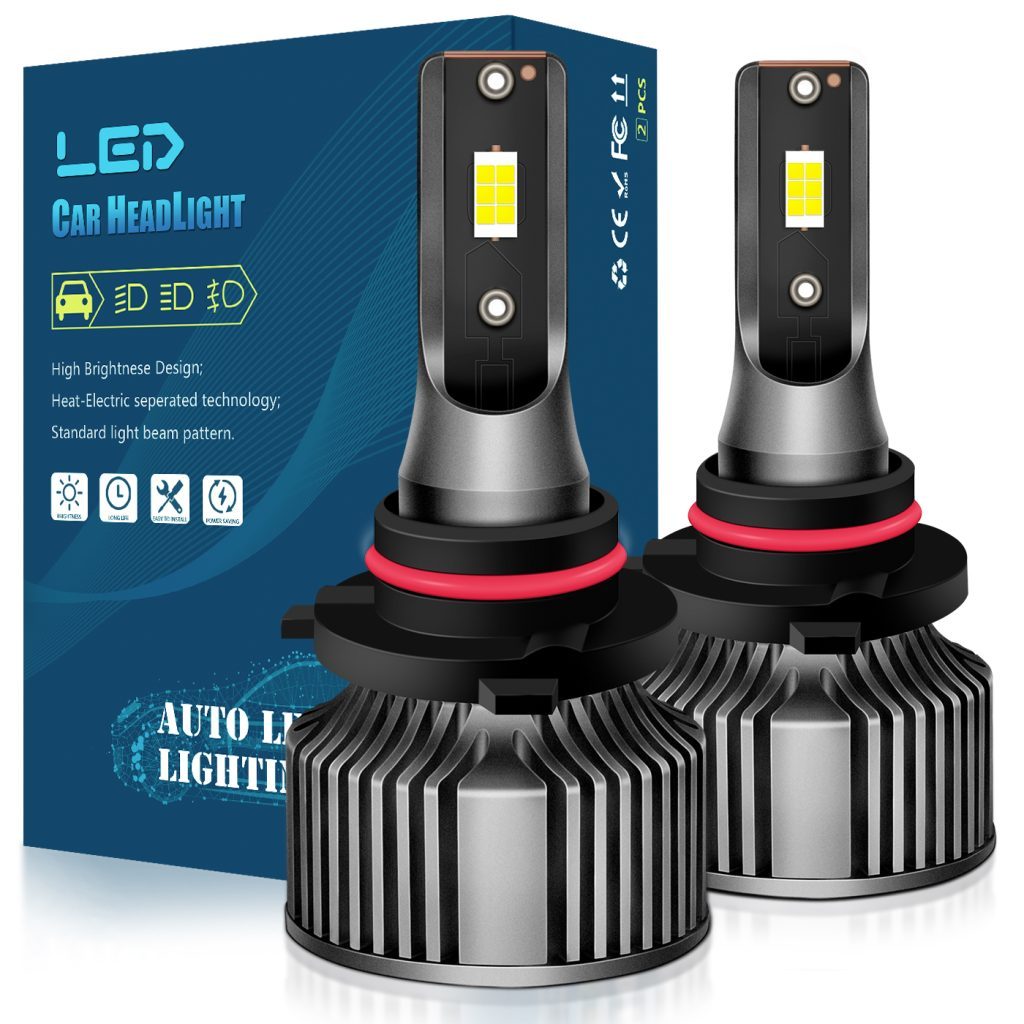
- Core Performance Differences
Halogen High Beams
Halogen bulbs emit light by heating tungsten filaments via thermal radiation.
✅ Advantages
Warm yellow light around 2700K–3000K. Longer light wavelength reduces scattering in rain, fog and heavy snow, delivering better visibility in bad weather.
Gentle light output; properly adjusted halogen lights cause relatively mild glare.
Universal replacement parts. One bulb only costs $2–$8. Self-installation takes 5 minutes with simple tools and keeps long-term maintenance low.
❌ Disadvantages
Limited brightness. Standard 55W halogen outputs roughly 1000–1500 lumens. Higher power consumption and short service life, only 500–1000 hours. Frequent replacement is required for drivers who drive at night often.
LED High Beams
LED relies on semiconductor electroluminescence and converts electricity directly into visible light as a cold light source.
✅ Advantages
Superior brightness. Qualified LED reaches 3000–4000 lumens for longer illumination range.
Low power draw. Rated power is about 20–30W, nearly half of halogen and less burden on vehicle wiring.
Instant full brightness within milliseconds. Ideal for flashing high beams to signal overtaking. Premium LED units achieve 50,000 hours theoretical lifespan.
❌ Disadvantages
Most aftermarket LED produces cool white light above 5000K. In fog or heavy rain, light scatters heavily and creates a white wall effect, shortening visible distance. Direct bulb swap without projectors leads to severe light scattering and glare for oncoming vehicles. Cheap LED suffers rapid lumen depreciation due to poor thermal design. - Scenario-Based Selection Advice
Scenario 1: Mainly city driving, frequent fog & rain → Halogen high beam or 4300K low-color-temperature LED
Street lighting is sufficient in urban areas, and high beams are rarely used. Warm yellow halogen maintains stable penetration in misty weather.
If you want improved brightness, avoid 6000K cool white LED. Choose 4300K warm white LED to balance brightness and fog visibility while meeting inspection standards.
Scenario 2: Frequent highway / rural night driving with dry climate → LED high beam WITH projector
Unlit highways and country roads demand long-distance illumination. High-brightness LED offers excellent vision. Instant-on performance improves safety signals when overtaking.
Non-negotiable rule: LED high beams must be paired with projector lenses.
Direct installation into original halogen reflector housings creates mismatched focal points. Scattered light fails to light up the road and blinds oncoming drivers, raising crash risks and failing vehicle inspection.
Scenario 3: Tight budget, no intention of major modification → Keep stock halogen; upgrade enhanced halogen bulbs
If you want to avoid wiring changes, projector installation and inspection risks, halogen is the safest choice.
Upgraded enhanced halogen bulbs lift brightness by roughly 30% while staying around 3000K. No modification required and does not void factory vehicle warranty.
Scenario 4: All-round use (highway + foggy mountain roads) — The popular balanced solution
LED low beam with projector + Stock halogen high beam
LED low beams deliver uniform road illumination during regular night driving. When heavy rain or fog occurs, switch to halogen high beams together with fog lights for better penetration. This combination controls glare when meeting other cars, balances performance and modification cost. - Critical Retrofit Warnings
Color temperature limit: Keep ≤6000K. Recommended range: 4300K–5500K
According to domestic vehicle safety standards, headlights exceeding 6000K will fail official inspection. Lights above 6000K turn bluish, weaken fog penetration and increase glare. 5000K light resembles natural daylight and eases eye strain.
Never install LED bulbs directly in reflector housings without projectors
Factory halogen reflectors are designed strictly for tungsten filaments. LED chip position mismatch inevitably causes scattered beams. This violates lighting regulations and brings severe safety hazards for oncoming traffic. Complete projector assembly is mandatory for legal LED upgrades.
Avoid low-cost LED without reliable cooling structure
Cheap LED bulbs lack sufficient heat sinks or cooling fans. Continuous high-beam operation pushes chip temperature extremely high, accelerating light decay and even creating wiring fire risks. Select certified LED with active cooling system and CANBUS decoder.
Proper high beam usage reminder
No matter halogen or LED, do not keep high beams activated during city driving or when meeting oncoming vehicles. Adjust beam height after installation to prevent persistent glare.
Final Summary
No single light source fits every driver.
Foggy rainy regions & city commuting: Halogen high beam works best.
Dry highways and rural night driving with legal modification: Projector-equipped LED high beam brings better experience.
The most versatile solution for mixed driving conditions: LED low beam + halogen high beam.