Last week, I helped a friend choose a car. He stared at the spec sheet, puzzled: “Halogen, xenon, or LED – which one should I pick? The salesman says LED is the best, but some old‑timers say xenon is brighter.” It’s not just new cars – many owners agonise over retrofits too. I’ve been through it myself with my old Jetta – swapping from halogen to LED, stepping on plenty of landmines along the way. So here’s a no‑BS breakdown based on real‑world experience – whether you’re buying new or upgrading, read this before you spend a dime.
- Halogen: cheap and cheerful, but falls short
Halogens are the old‑timers of headlights – found on most sub‑100K CNY Chinese cars and older joint‑venture models. Think of them as “upgraded incandescent bulbs” – they work the same way as household bulbs, with a glowing filament.
The plus side: cheap. A factory halogen bulb costs around 50‑100 CNY. You can replace it yourself when it burns out – maintenance costs are negligible. My Jetta’s halogens lasted three years before I swapped them. Around town with streetlights, they’re adequate – and their warm‑yellow light penetrates fog and rain better than white light, which tends to scatter.
But the downsides are deal‑breakers, especially on dark roads. The output is woefully weak – like a torch against a wall – you can barely see beyond 30 metres. On the highway, it feels sketchy. Lifespan is short – 500‑1,000 hours – and with frequent night driving, you’re replacing them yearly. Worst of all, they degrade over time – getting dimmer and dimmer until you can barely tell they’re on.
Who should choose halogen? Budget‑conscious commuters who mostly drive in well‑lit city areas with minimal night driving. If you frequently hit highways or unlit roads, give them a miss – the safety risk is real.
- Xenon: the old premium choice – blindingly bright, but with baggage
A decade or two back, xenon was a luxury car status symbol – fire up a BMW 5‑Series with xenons, and that crisp white light turned heads. It works by passing high voltage through xenon gas – a step up from halogen.
The upside: sheer brightness. Factory xenon units throw light over 100 metres, with a daylight‑like colour that reduces eye strain and makes signs and obstacles pop. My cousin’s older Audi A6L has xenons – on a night run, his high beam lit up the road 200 metres ahead like daylight. Lifespan beats halogen too – 2,000‑3,000 hours, or about 5+ years of normal use.
But xenon has its share of headaches. First, start‑up delay – they flicker blue and take 2‑4 seconds to fully brighten. That’s a problem in tunnels or when you need to flash someone. Second, they absolutely require lenses – without them, the beam scatters and blinds oncoming drivers (and fails inspection). Third, poor fog/rain penetration – in wet weather, the white light bounces off moisture and actually reduces visibility. Plus, the ballast is a weak point; replacements cost a few hundred. A buddy of mine replaced his twice.
- LED: the current sweet spot – but don’t go cheap
LED prices have dropped significantly in recent years – they’re no longer exclusive to luxury cars. The principle is semiconductor emission – no filament, just chips that light up instantly when energised.
Key strengths: first, instant‑on – zero delay, perfect for tunnels and flashing. Second, bright enough and extremely long‑lived – good LEDs last 30,000‑50,000 hours; they’ll outlive the car. Third, low power draw – about half of what xenon uses, gentle on the battery.
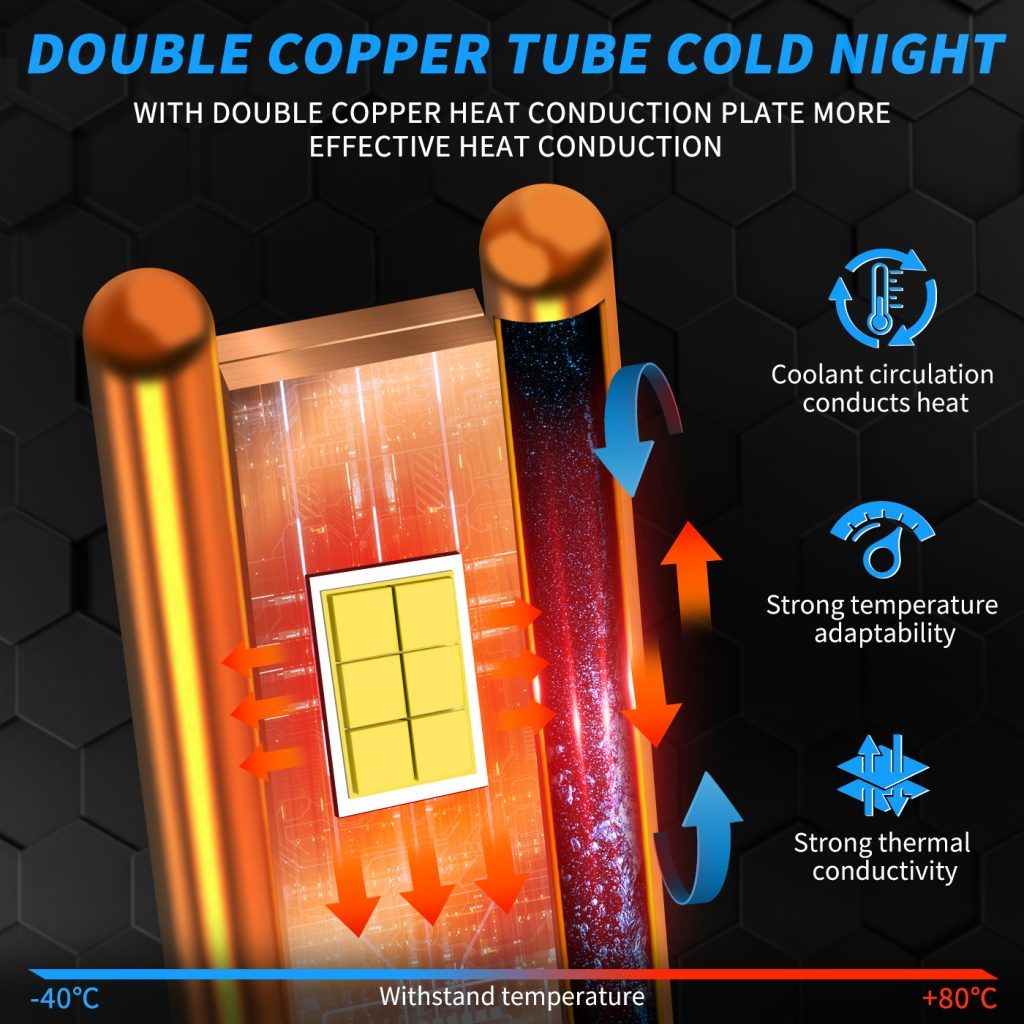
But there’s a catch – don’t buy no‑name cheapies. Poor‑quality LEDs have terrible cooling – after a year or so, lumen depreciation hits hard. A 3,000‑lumen unit might drop to 1,500 lumens, worse than a halogen. And badly designed LEDs give a patchy beam – white and bright in the middle, but you can’t actually see potholes or road texture.
- Bottom line – which one should you choose?
Halogen: tight budget, city commuter, minimal night driving → gets the job done, but stay off highways
Xenon: chasing maximum brightness, car already has projector lenses → a valid choice, but make peace with the warm‑up delay
LED: the smart pick for most people → go with reputable brands, skip the 50‑CNY cheapies
One sentence: LED is the way to go – but buy the right one, not just the cheapest one.