The brightness of LED car headlights is mainly measured in lumens, which indicates luminous flux. A higher lumen value means stronger light output. Nevertheless, lumen alone cannot tell the whole story. Light pattern, color temperature, power, heat dissipation and original‑vehicle lamp structure should all be taken into account. Blind pursuit of excessive brightness may cause glare, rapid light decay and circuit safety risks.
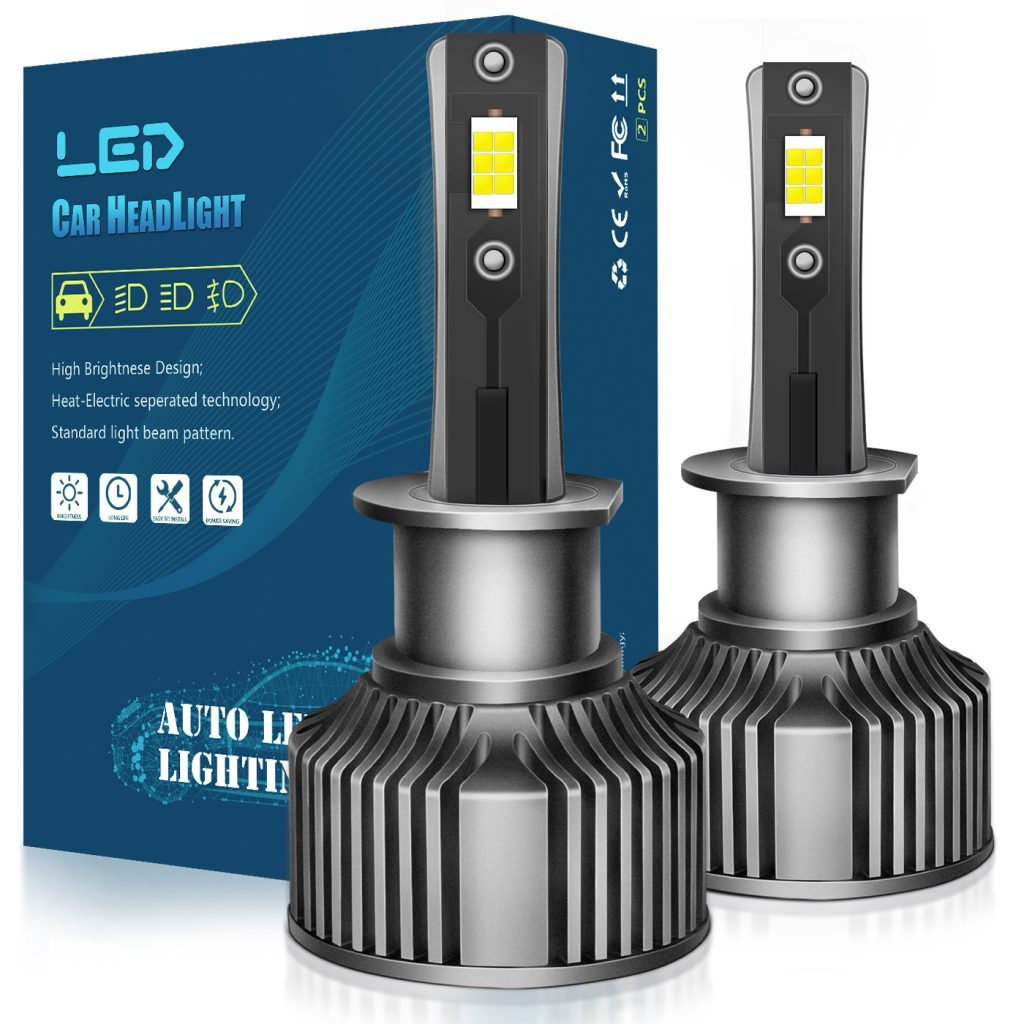
Lumen — Core Brightness Indicator
Lumen describes the total amount of light emitted by a light source.
‑ Suitable lumen range for LED headlight bulbs: 2000‑4000 lm for most family vehicles.
‑ Fog light: 800‑1600 lm
‑ Turn‑signal light: 500‑1000 lm
Scenario reference:
‑ Urban driving with street lamps: medium‑lumen output is enough to avoid dazzling oncoming traffic.
‑ Rural / unlit roads: higher‑end lumen within the reasonable range improves long‑range visibility.
Important note: High total lumens do not guarantee good road‑illumination performance. Poor light pattern scatters light toward oncoming drivers and causes severe glare. Always match LED bulbs with your original reflector or projector lens.
Color Temperature
Color temperature (unit: Kelvin / K) does not represent brightness, yet it affects visual experience and performance in rain and fog.
‑ Headlight recommendation: 4300K‑6000K. 4300‑5000K balances brightness and bad‑weather penetration; 6000K is cool‑white‑looking yet weaker in fog and rain.
‑ Fog light: 3000K‑4300K, warm yellow light delivers better penetration.
‑ Turn‑signal light: 2700K‑3000K, amber yellow.
Relationship between Power(Watt) and Brightness
Power does not equal brightness.
‑ With identical LED chips, higher power generates more light but also far more heat.
‑ Typical luminous efficiency: 80‑100 lm/W. 1‑watt LED chip outputs 80‑100 lumens.
‑ Practical power for automotive LED headlights: 30‑40 W. Daytime running lights are usually below 10 W.
Risks of excessive power:
Chip thermal aging: LED chips should stay below 85 ℃ to achieve 30 000+‑hour service life. Over‑temperature brings fast light decay and short service life.
Vehicle circuit hazard: Excessive power overloads original wiring harness and causes overheating risk.
Many aftermarket products have false‑marked power ratings. Do not trust wattage printed on packaging only.
Buying Checklist
Judge total light output mainly by lumen value instead of high‑wattage labels.
Pay attention to beam pattern. Vehicles with factory‑fitted projectors need projector‑specific LED bulbs to prevent glare.
Pick suitable color temperature; avoid overly cool‑white light blindly.
Check heat‑dissipation structure. Poor cooling leads to fast brightness drop even for high‑power bulbs.
Match parameters to your real‑world driving environment: city, rural road, rainy‑foggy climate.