Scattered, unfocused LED headlights not only reduce your own night‑time visibility but also cause glare for oncoming traffic – a safety hazard and often a legal violation. The following covers the core causes, step‑by‑step solutions, and long‑term prevention.
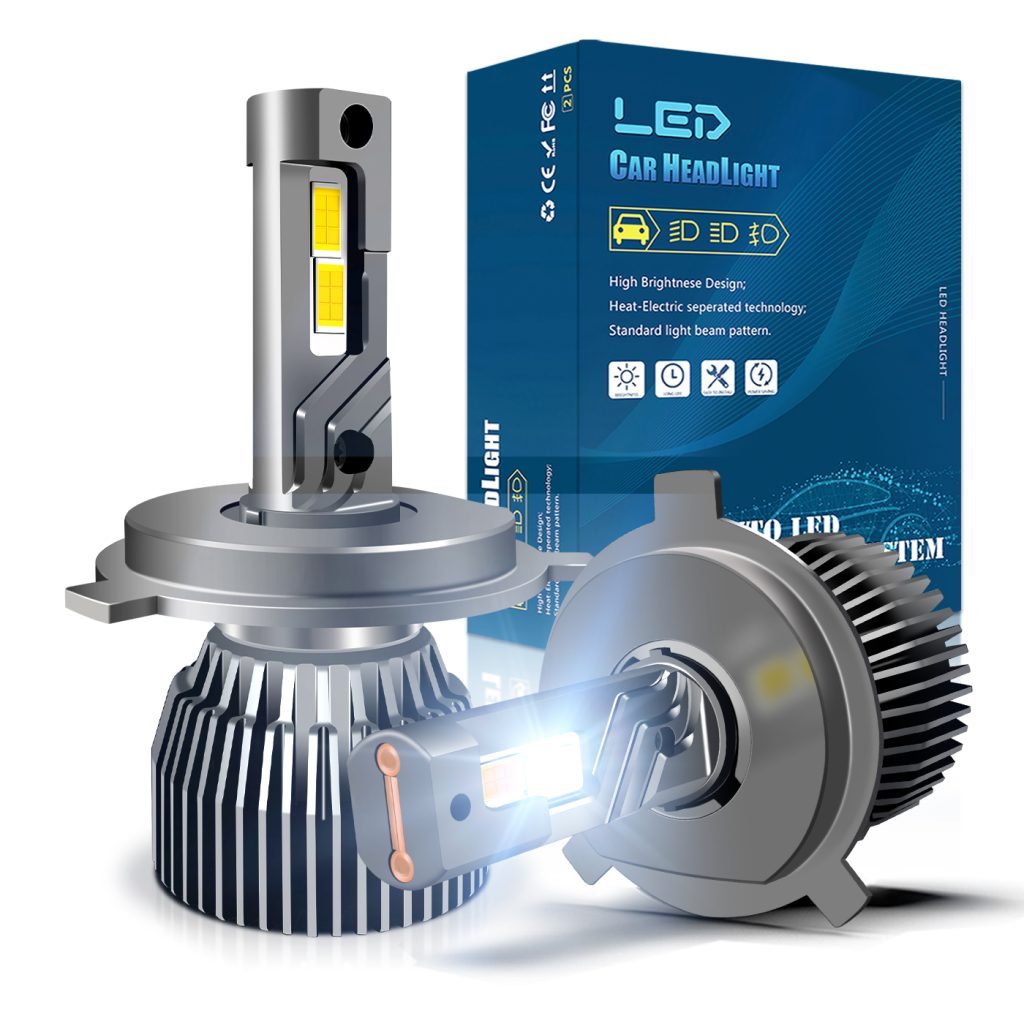
1. Three Main Causes of Light Scatter
1. Incorrect bulb installation position (most common)
The LED’s light‑emitting point must align precisely with the reflector bowl’s focal point. If the base is loose, the angle is off, or the chips aren’t horizontal, the light scatters.
- Typical signs: wider but dimmer beam, blurred or missing low‑beam cut‑off line, scattered high beam.
2. Faulty beam‑adjustment mechanism
The adjuster controls the vertical/horizontal angle of the headlight. If the motor is damaged, gears are stuck, or wiring is loose, the reflector angle becomes abnormal – preventing proper focus.
- Typical signs: no height change when adjusting, or the beam moves but focusing doesn’t improve.
3. Degraded reflector bowl (fogged/oxidised)
The reflective coating on the inside of the bowl can oxidise, yellow, or flake off over time – reducing reflectivity and causing scatter.
- Typical signs: dimmer light, halos or ghosting on the road, visibly dispersed beam.
2. Targeted Solutions
Solution 1: Re‑install the bulb and re‑focus
- Disconnect power, remove the headlight assembly or dust cover, and take out the LED bulb.
- Check that the bulb’s base clips or screws are secure – ensure the light‑emitting point aligns with the reflector’s focal point.
- Key: the LED chips must be horizontally level – left and right – never tilted.
- After refitting, test on level ground with a wall projection:
- Park about 7.6 metres from a wall, turn on low beam.
- Check that the cut‑off line is sharp and straight, and the high‑beam focus is centred.
- For bi‑lens projector headlights: also check the relative position of the lens and bulb – lens shift can cause scatter.
Solution 2: Inspect or replace the beam adjuster
Checking method:
- Use the in‑car height‑adjustment switch – observe whether the beam angle changes accordingly.
- If not, remove the adjuster motor and use a multimeter to check its resistance (normally a few to tens of ohms).
- Inspect the gear set for wear and check for loose wiring connectors.
Remedies:
| Fault Type | Remedy | Approx. Cost |
|---|---|---|
| Motor failure | Replace with same‑spec adjuster motor | 50‑200 CNY |
| Worn gears | Replace gear set or entire adjuster assembly | Varies by model |
| Wiring issue | Re‑solder loose connections or replace damaged harness | Labour cost |
Solution 3: Replace the aged reflector bowl
Diagnosis:
- After removing the headlight, check the inner bowl surface for mottling, yellowing, or peeling coating.
- Shine a strong torch into the bowl – if the reflected light is diffused rather than focused, the bowl has degraded.
Replacement steps:
- Purchase an OEM or compatible replacement bowl (check size and material – aluminium or chrome‑plated).
- Remove the old bowl (some models require heating the housing edge to soften sealant).
- When installing the new bowl, ensure it seals tightly against the housing to prevent moisture ingress.
3. Prevention and Maintenance Tips
1. Choose quality LED bulbs
- Prefer lens‑equipped designs (e.g., bi‑lens projector LEDs) – their beam pattern is closer to factory halogen, reducing scatter risk.
- Avoid cheap LEDs with oversized light‑emitting points or poor cooling – they tend to deform from heat and cause scatter.
2. Regularly check beam alignment
- Every six months, or after any collision, check that beam height meets standards (low‑beam height should be below the vehicle’s A‑pillar lower edge).
- If the vehicle load changes significantly (e.g., fully loaded), re‑aim the headlights to prevent glare.
3. Use headlights sensibly
- Although LEDs respond instantly, frequent on/off cycling accelerates driver circuit ageing – which can indirectly affect focus.
- When parked for extended periods, turn off the headlights to reduce heat build‑up.
In a Nutshell
If your LED headlights scatter light, first check the installation position (chips level, focal point aligned), then inspect the adjuster mechanism, and finally consider reflector bowl degradation. Most scatter issues can be resolved by re‑installing and re‑aiming – if the adjuster or bowl is damaged, professional repair is recommended.