As a critical safety feature for night driving, automotive headlights have evolved from simple illumination devices into integrated systems that combine visibility, styling, brand identity, and trim‑level differentiation. With the growing demand for vehicle customisation, understanding different headlight types and their modification options has become essential for owners looking to personalise their cars. This article provides a detailed breakdown of mainstream headlight types and key modification considerations.
- Four mainstream headlight types
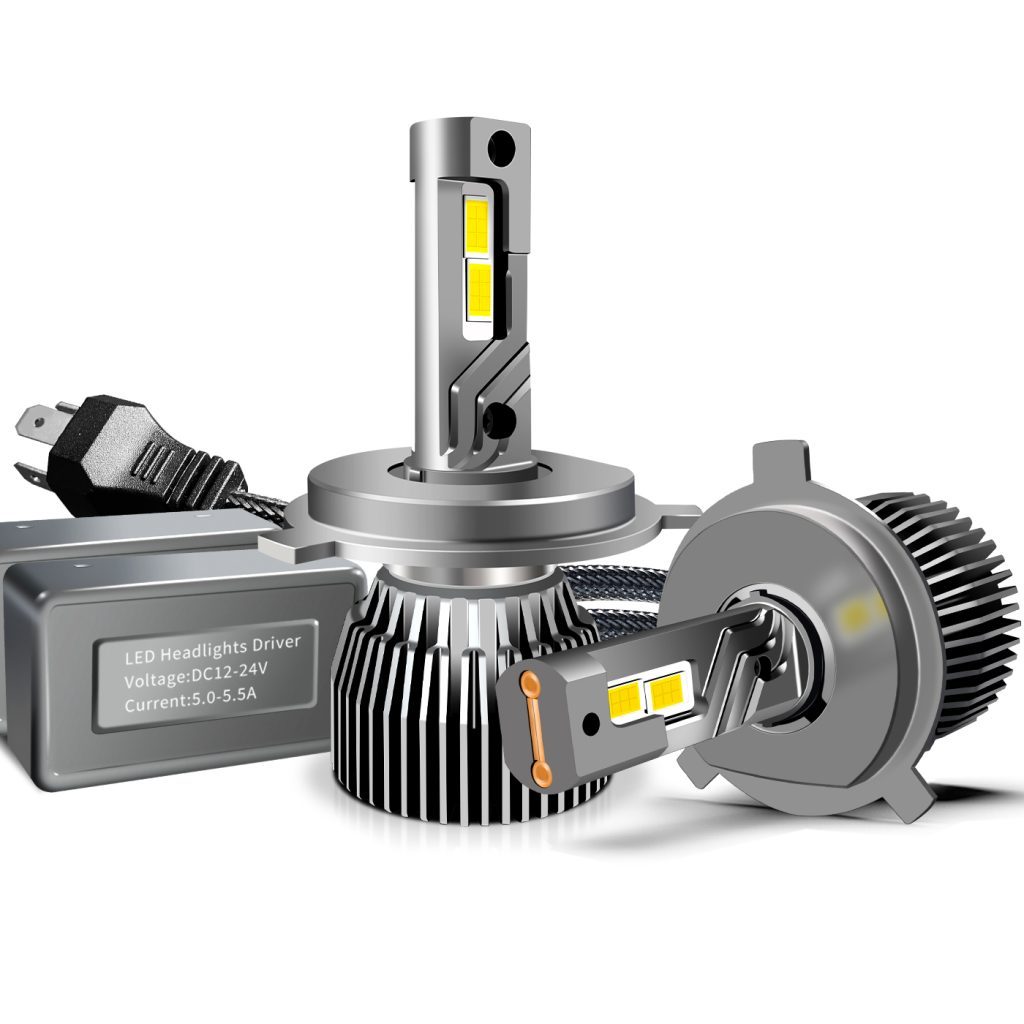
Automotive headlights fall into four main categories – halogen, xenon (HID), LED, and laser – with manufacturing costs increasing in that order.
Halogen: an upgraded incandescent bulb with halogen gas or halides added to extend life and boost brightness. Emits yellowish light, low cost, excellent penetration – outperforms other types in low‑visibility conditions.
Xenon (HID): brighter, longer‑lasting, and more energy‑efficient – reducing the vehicle’s electrical load. The light source is relatively scattered, so lenses are typically required. Instantaneous voltage can reach tens of thousands of volts – retrofit safety is critical.
LED: higher cost, typically found in premium models. Clear advantages – long life, energy efficiency, high safety – operates on low voltage.
Laser: based on laser diodes – superior performance, complex technology, broader beam range, allowing drivers to see much further ahead. Currently, few production models use this technology.
- Common modification approaches
Replace halogen bulbs with xenon bulbs: widely compatible, simple to do, improves brightness.
Replace the entire headlight assembly: ideal lighting results, but more difficult – requires technical skill and proper tools.
Add xenon auxiliary lamps on the bumper or roof: highly flexible – choose products and mounting positions as needed, can also enhance appearance.
- Halogen headlight modification key points
Upgrading bulb wattage: higher wattage can cause bulb failure, melted wiring, or even vehicle fire. Instead, choose super‑bright bulbs with the same wattage and pin configuration.
Halogen to xenon: must include lenses – pay attention to ballast placement and securing; wire through relay and fuse; clean the housing regularly after modification.
Halogen to LED: two forms – replacing with LED strips/bulbs or adding decorative LED lights. For LED strips, ensure driver installation, securing, and cooling; decorative add‑ons are not recommended. Avoid bridging wiring harnesses; connect power via relay and fuse.
Best approach: replace the entire headlight assembly – though this is more expensive.
- Xenon headlight modification considerations
Replacing halogen bulbs with xenon units: the aftermarket offers xenon bulbs to fit virtually all halogen base types – simple to install, with noticeable brightness improvement.
Replacing the entire headlight assembly: using OEM‑spec xenon units with purpose‑designed lenses and reflectors gives excellent illumination and range. However, this is complex – professional installation is strongly recommended to avoid performance or safety issues.
- LED headlight modification key points
LEDs offer fast start‑up, simple construction, high stability, long life, and flexible styling – but they cost more, and if a single chip fails, the whole unit may need replacing, raising repair costs. Owners should choose based on their actual needs.
- Auxiliary lamp installation
Adding xenon auxiliary lamps offers great flexibility – owners can pick products and mounting positions freely. These auxiliary lamps typically serve as high beams, ranging from 80 to 200 mm in diameter, fitting many vehicle types. They provide extra lighting in special situations and enhance visual appeal. Consider your needs, budget, and vehicle layout when choosing.
- Summary
Choosing and modifying headlights requires balancing safety, practicality, and personal style. Halogen suits budget‑conscious owners who value penetration; xenon offers higher brightness but requires lenses; LEDs are widely used in premium models, combining efficiency with long life; laser technology is still emerging but holds great potential. Always prioritise professional modification solutions to avoid compromising vehicle performance or safety. Whichever option you choose, ensure it complies with regulations to keep night driving safe.