Choosing between HID xenon and LED headlights for modification depends entirely on your personal demands. LED lighting features high energy efficiency, remarkable brightness improvement, instant illumination and long service life, with sturdy shock-resistant construction. However, LEDs generate considerable heat, so owners of older vehicles need to confirm sufficient heat dissipation space before upgrading. HID xenon lights deliver outstanding brightness and wide illumination range, and the overall kit can be cost-effective. Even so, HIDs generally require bi-xenon projector lenses and suffer from slow startup delay. Neither option is perfect; you need to weigh multiple factors before making a final decision.
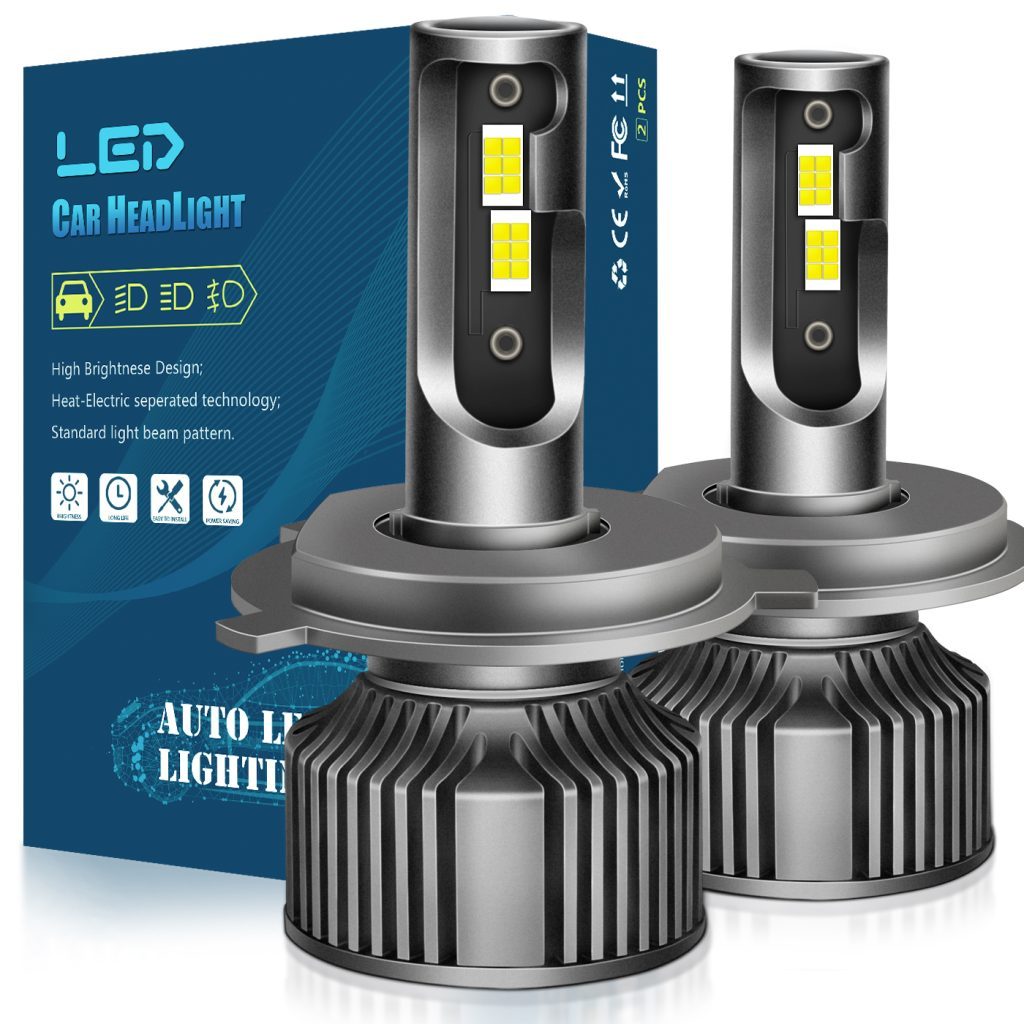
Let’s start with LED headlights. They stand out in energy conservation, consuming merely 1/20 of the power drawn by halogen lamps, which appeals greatly to eco-conscious drivers seeking low energy usage. Besides, the substantial brightness upgrade creates clear vision during night driving and greatly improves driving safety. What’s more, LEDs light up instantly with zero waiting time. This fast response provides vital illumination in unexpected emergency scenarios.
Additionally, LED headlights boast an extremely long service life, dozens of times longer than xenon lamps. That means fewer bulb replacements and lower long-term maintenance costs. Their compact, integrated structure brings installation advantages, and excellent shock resistance allows them to cope with various rough road conditions. Nevertheless, LEDs have drawbacks. Due to high heat output, owners of older vehicles should exercise caution during retrofits. Limited heat dissipation space within aged headlight assemblies may lead to degraded lamp performance and shortened service life caused by overheating.
Now let’s look at HID xenon headlights. They produce far brighter light than halogen bulbs and offer extensive coverage, creating reliable lighting conditions for night travel. In terms of cost, HID kits paired with projector lenses can be budget-friendly, making them a practical choice for drivers with limited budgets. Xenon technology has been developed for decades, forming a mature market with well-established products and supporting techniques.
Still, xenon lights come with notable downsides. They usually must be matched with bi-xenon projector lenses; otherwise, severe light scattering will occur. Scattered light not only weakens your own road visibility but also creates harsh glare that distracts other road users. Furthermore, xenon bulbs require a warm-up period to reach full brightness, unlike LEDs that activate immediately. HID systems also show relatively unstable performance and may suffer occasional functional faults.
In conclusion, many factors need to be considered when selecting HID xenon or LED lights for retrofit. If you pursue modern technology, energy efficiency, instant lighting and long service life, and your vehicle can meet thermal dissipation requirements, LED headlights are the premium option delivering advanced lighting experience. If you have a tight budget, prioritize proven mature technology and affordable upfront costs, and do not mind startup delay, a HID xenon kit equipped with bi-xenon lenses is a viable alternative. Ultimately, the most suitable retrofit solution is determined by your actual driving demands and vehicle condition.