Generally, xenon lamps deliver higher lumen output at the same nominal power – but actual performance depends on the specific product and use case. There’s no one‑size‑fits‑all answer.
- Why does xenon appear brighter at the same rated power?
Xenon lamps produce light through high‑voltage arc discharge – a 35W unit outputs about 3200 lumens. LEDs, however, are typically rated by input power rather than light output, so at the same nominal wattage they often deliver slightly fewer lumens – around 3000.
- What’s the real‑world difference?
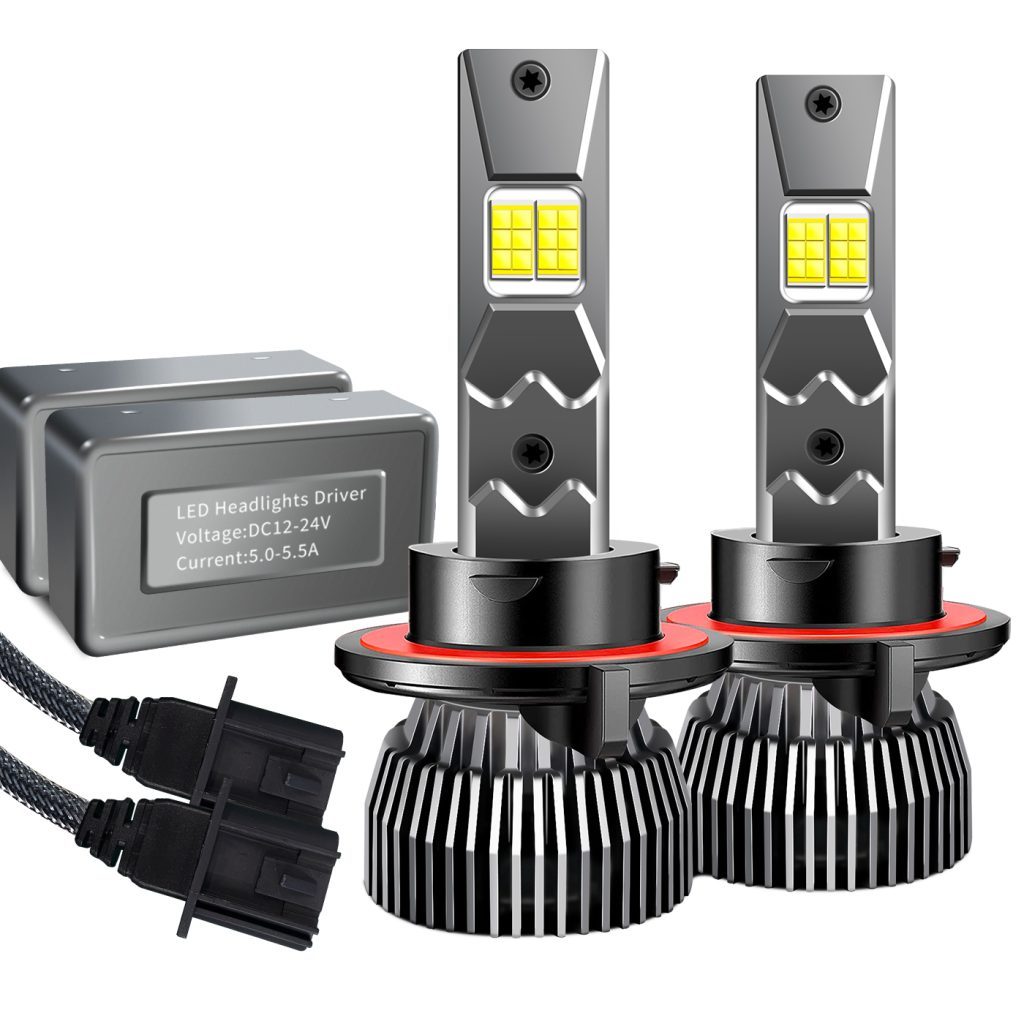
LEDs are more efficient at converting electricity into light – they use less power for the same effective illumination – and they light up instantly with no delay, whereas xenon takes 2‑4 seconds to start.
Bottom line: if you’re comparing lumen numbers at the same rated power, xenon has a slight edge. But when you factor in efficiency, lifespan, and real‑world performance, LEDs come out ahead overall.
- Pros and cons at a glance
Xenon – pros:
Over 300% brighter than halogen
No filament – lasts longer than halogen
40%+ more energy‑efficient than halogen
Fails gradually (dimming over time), giving the driver time to react
Xenon – cons:
Poor beam focus – can dazzle oncoming traffic (requires lenses; some models like Accord don’t have them)
Weak penetration in fog, snow, and ice
2‑4 second start‑up delay – can’t flash to signal at highway speeds
LED – pros:
Extremely long life – 50,000 to 100,000 hours
Consumes only 1/20th of halogen’s energy
High‑quality light, radiation‑free, environmentally friendly
Simple, shock‑resistant construction
Instant‑on (nanosecond response)
Low‑voltage DC drive (12V)
Compact size – flexible styling
LED – cons:
Higher cost – quality units need imported chips and good cooling
Poor cooling leads to lumen depreciation and shortened life
No industry standard – quality varies widely
Beam‑pattern design is challenging