The lifespan of automotive headlights varies significantly by type. Halogen bulbs typically last a few hundred hours, xenon (HID) lamps around 3,000 hours, and LEDs can reach 20,000 hours or more – sometimes outlasting the vehicle itself. These differences stem from their internal construction and light‑generating principles.
- Lifespan breakdown by type
Halogen: the veteran of automotive lighting – affordable and widely used. But the filament glows at high temperatures and wears out over time, giving a typical lifespan of 300‑500 hours. If you drive frequently at night, you may need replacement every 1‑2 years; with lighter use, they might last 3‑5 years, though brightness gradually declines.
Xenon (HID): commonly found in mid‑to‑high‑end models. No filament – light is produced by high‑voltage current exciting xenon gas. Effective life is around 3,000 hours. It’s recommended to check or replace after three years or 50,000 km. Note: if you retrofit halogens to xenon without a proper ballast, lifespan drops to about 500 hours.
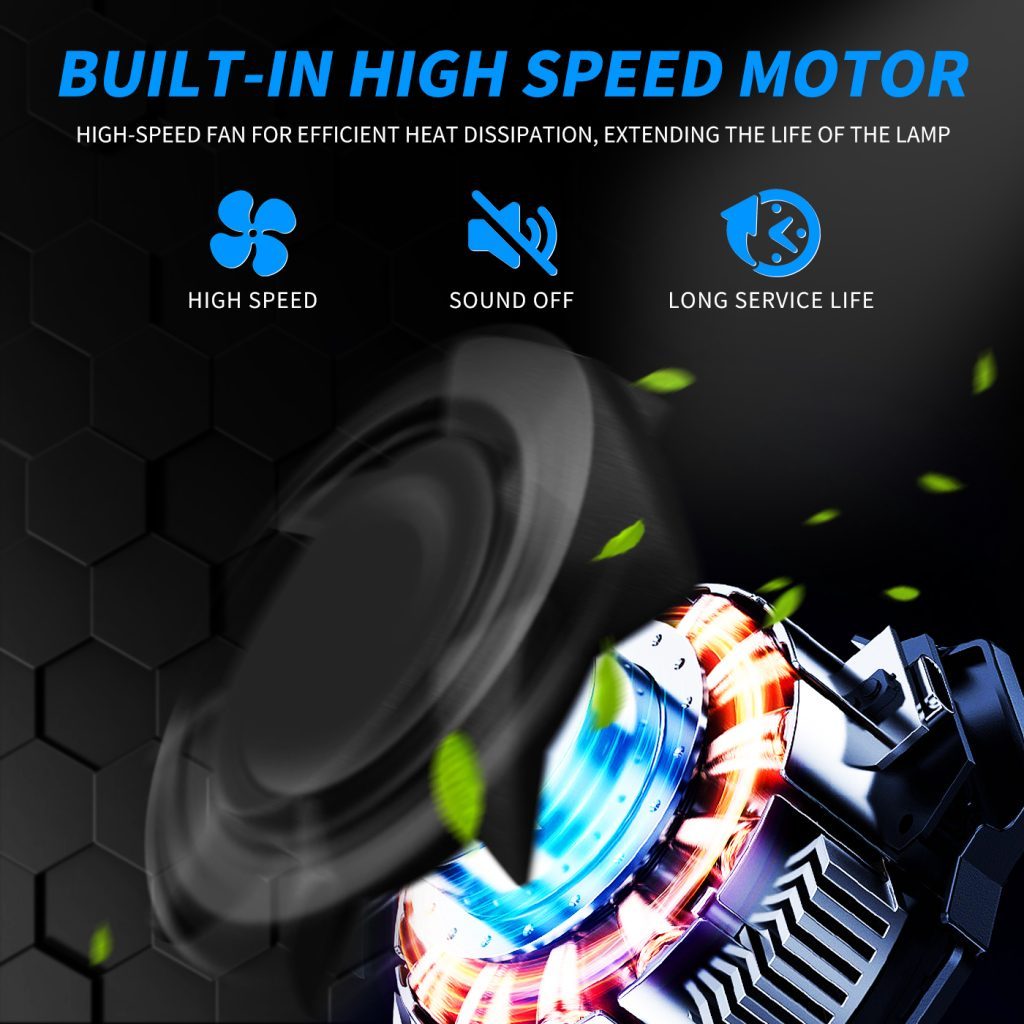
LED: the current market favourite. Lifespans exceed 20,000 hours and, under ideal conditions, can last the entire life of the car. Under normal use, check or replace around 5 years or 100,000 km.
- Structure of automotive lighting systems
Vehicle lighting divides into two main categories:
External lighting: low beam, high beam, front fog lamps, rear fog lamps
Signal lighting: turn signals, position/parking lights, brake lights, reverse lights, hazard warning lights
Controls are typically stalk‑mounted or rotary‑dial. Each light serves a specific purpose – position lights mark the vehicle’s outline at dusk or in low visibility; low beams provide basic night illumination; high beams suit unlit rural roads or motorways; fog lamps are for visibility below 200 metres; turn signals require advance activation before turning or changing lanes; hazard lights are for temporary stops due to breakdowns.
- Comparison of four mainstream headlight types
Halogen: the most mature and cheapest technology. Uses a tungsten filament, emits yellow light, 1000‑1500 lumens. Pros: low cost, stable, easy to repair, good penetration in fog/rain. Cons: high heat output, low efficiency, ~2,000‑hour lifespan. Best for city commuters on a budget.
Xenon (HID): uses high‑voltage (23,000V) to excite inert gas. Emits white light, 3000‑6000 lumens, range over 200 metres. Pros: bright, good for long‑distance driving. Cons: slower penetration than halogen in fog, 1‑3 second start‑up delay, requires lenses when retrofitted. Best for frequent long‑distance drivers.
LED: combines halogen’s low energy use with xenon’s high efficiency. 4000‑8000 lumens, low power draw, >50,000‑hour lifespan, instant‑on, compact for flexible styling. Matrix LEDs can automatically dim sections to avoid dazzling oncoming cars. Cons: higher cost, poorer fog/rain penetration due to higher colour temperature. Best for tech‑oriented owners looking to save long‑term costs.
Laser: the current technological ceiling. A blue laser beam excites phosphor material to scatter into white light. Has all LED advantages, with twice the range, even lower energy use, and longer life. But extremely expensive – currently reserved for high‑end models.
- Practical selection guide
City driving: halogen is adequate – low cost and good wet‑weather penetration
Frequent highway driving: prioritise LED or xenon – high brightness and long range improve night visibility
Premium budget: choose matrix‑LED – intelligent dimming significantly enhances night‑time safety
Regular maintenance – checking seals, cleaning lenses – also helps extend headlight life.