As automotive lighting technology evolves rapidly, xenon (HID) and LED headlights have become the two mainstream options – each with distinct differences in energy efficiency, lifespan, and real‑world performance. Choosing the right headlight not only affects night‑driving safety but also impacts long‑term running costs and energy consumption. This article breaks down the pros and cons of both technologies across core specifications, energy use, longevity, scenario fit, and economics – giving owners a science‑based reference for decision‑making.
- Core specification comparison
Metric Xenon (HID) LED
Brightness 3000-5000 lumens 2500-6200 lumens
Colour temp 4300K warm white Cool white
Fog/rain penetration Strong Better city sign recognition
Power draw 35-45W 20-30W (40% less)
Start‑up 3-5 sec warm‑up 0.1 sec instant
Lifespan 3,000-5,000 hrs (3-5 yrs) 20,000-30,000 hrs (10+ yrs)
Retrofit cost 500-1500 CNY/set 300-2000 CNY/set
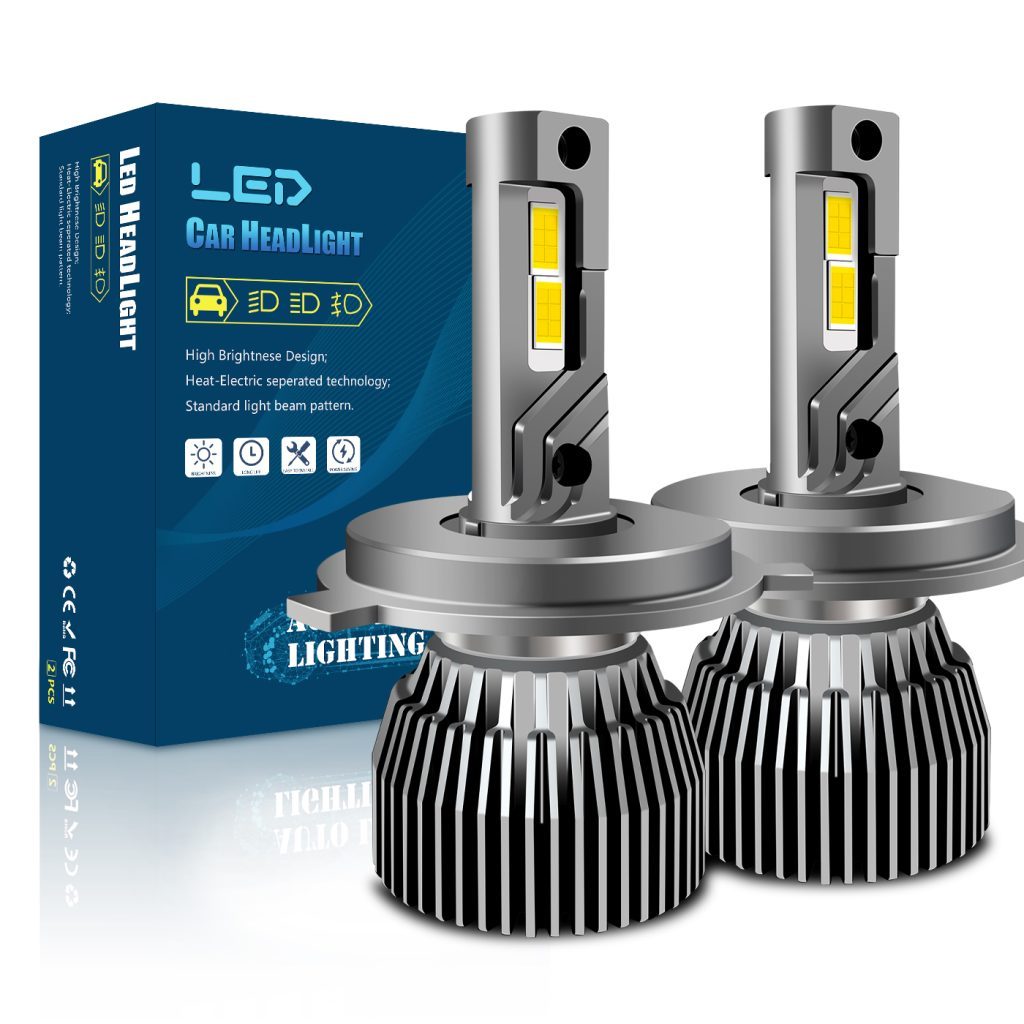
- Energy efficiency and savings
LEDs convert 80‑90% of electrical energy directly into light via semiconductor chips, operating on low‑voltage DC with minimal losses. Xenon lamps, by contrast, lose about 30% of input energy as heat during high‑voltage gas discharge.
Based on 15,000 km annual mileage with 30% night driving, an LED setup consumes roughly one‑tenth of the electricity a xenon system uses. At 30% alternator efficiency, that translates to about 0.5 litres of fuel saved per year. For frequent night drivers, LED’s energy advantage becomes more noticeable over time – also reducing battery‑drain‑related maintenance.
- Lifespan and maintenance costs
LEDs outlast xenon by a factor of 4‑6 – their 20,000+ hour lifespan means they typically never need replacement over the vehicle’s life. Xenon lamps need replacing every 3‑5 years, with each swap including bulbs and ballasts, averaging 120 CNY/year in maintenance. LEDs may cost more upfront, but they’re virtually maintenance‑free for 5 years, cutting long‑term running costs by about 60% compared with xenon.
Key caveat: cooling design directly affects LED lifespan – poor‑quality products with inadequate heat dissipation suffer lumen depreciation. Always choose reputable units with copper‑base plates or cooling fins.
- Use‑case recommendations
Xenon: warm‑white light excels in fog/rain; 3000+ lumens suit long‑distance highway and mountain driving – always use with proper lenses to avoid glare.
LED: cool‑white light offers better colour rendering; instant‑on suits city commuting, especially in stop‑and‑go traffic – 0.1‑second response improves safety.
EVs or older cars: LEDs are a better fit – low power draw is gentle on the battery, and flexible designs enhance appearance.
Off‑road or rough conditions: LEDs are more shock‑resistant and less prone to damage from vibration.
- Buying and retrofit guidance
Budget‑conscious, value‑focused: choose a lens‑equipped xenon kit (800‑1500 CNY) – ensure a ballast is included for stable operation.
Long‑term ownership or hassle‑free experience: prioritise LEDs – choose branded units with proper cooling (800‑2000 CNY) to avoid lumen depreciation.
Areas with frequent fog/rain: a 4300K xenon set offers better penetration than LEDs.
Compliance: xenon must be paired with lenses; LEDs need reliable cooling – avoid setups that cause glare, housing ageing, or distraction to oncoming drivers.