Theoretically, higher lumen values correspond to brighter light output. However, chasing ultra-high lumens blindly is unwise, as it may trigger hidden safety hazards and violate vehicle lighting regulations.
The Real Link Between Lumens and Actual Brightness
Lumen is the standard unit of luminous flux, representing the total visible light emitted by a light source per unit time. Even with a high nominal lumen rating, the real road brightness is restricted by chip quality, optical lens design and heat dissipation efficiency. Worse still, many merchants falsely exaggerate lumen figures on product labels to attract buyers.
Hidden Risks of Excessively High Lumen Output
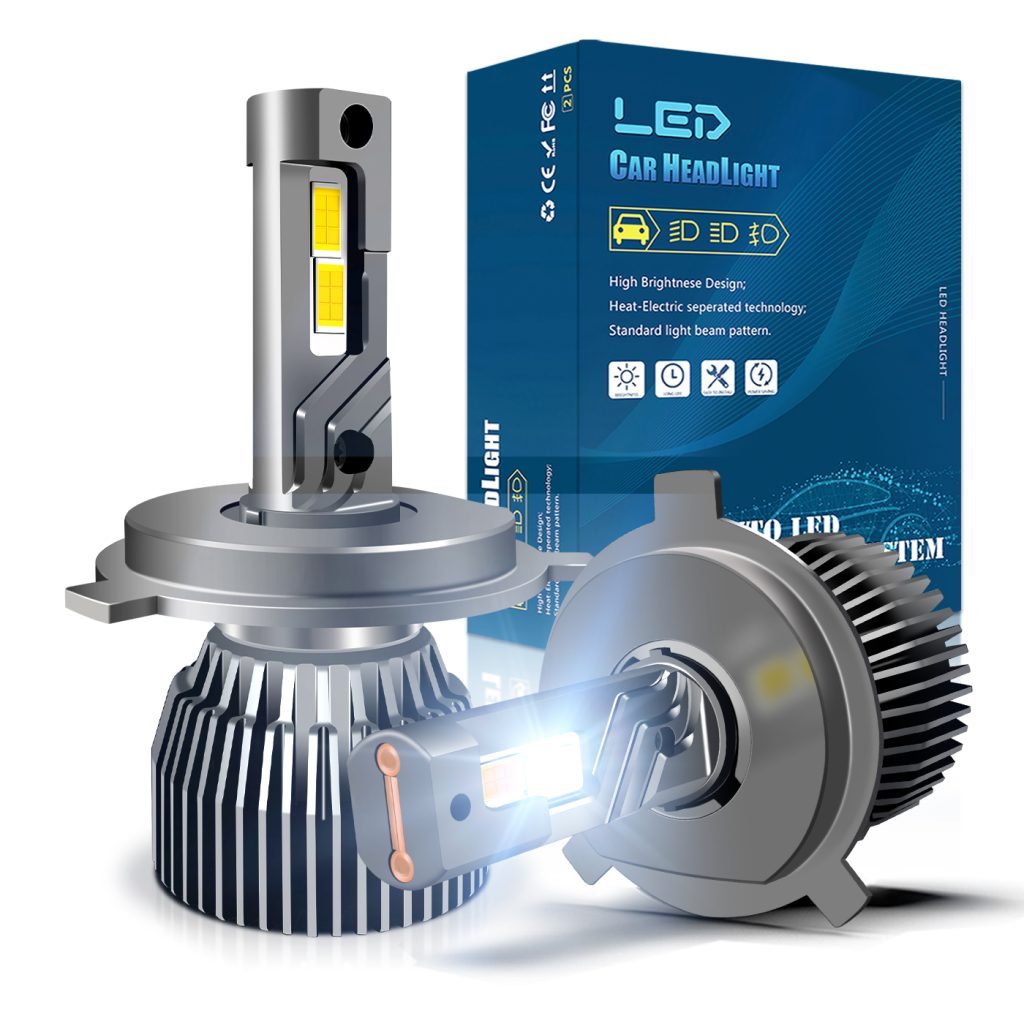
First, over-bright headlights create severe glare that dazzles oncoming drivers, greatly raising the risk of traffic collisions. Second, ultra-high lumen bulbs usually operate at higher wattage, generating massive heat. The excessive temperature will accelerate luminous decay, burn out LED chips prematurely, and speed up aging of the vehicle’s original wiring harness.
Most car owners find LED headlight parameters confusing, especially various lumen labels. A widespread misunderstanding is that the higher the lumen number, the better the headlight performance, which is not accurate at all.
We can use a simple flashlight example to explain the difference between transient lumens and steady-state lumens. When you switch on a flashlight in a dark stairwell, it shines extremely bright for the first second, then dims gradually. This transition also happens to automotive LED headlights.
Transient lumens refer to the peak brightness the lamp reaches the moment it is turned on. Steady-state lumens stand for the stable, constant luminous flux after the headlight has been lit for several minutes. For drivers, steady-state lumens reflect the authentic, long-term brightness during daily driving.
Therefore, you should never judge a headlight merely by its advertised lumen number; always check its steady-state lumen data. Premium brands such as Osram mark only steady-state lumens on their products, guaranteeing consistent, reliable lighting performance and safer night trips.
Brightness is just one dimension of headlight performance. Heat dissipation, service life and power rating must be well balanced as a whole. High-lumen, high-wattage LED bulbs require sophisticated thermal management structures. Without mature cooling technology, the lamp will run under sustained high temperature, resulting in obvious brightness drop, shortened service life and potential safety hazards.