LED and halogen headlights operate on fundamentally different optical principles – and that difference shapes everything from brightness and energy consumption to lifespan and safety.
- How they produce light
Halogen bulbs rely on a tungsten filament that glows when heated to extreme temperatures – they’re thermal light sources. About 90% of the energy is wasted as heat, with only 10% converted into visible light. That’s shockingly inefficient. LEDs, on the other hand, are semiconductor‑based cold‑light sources. They achieve over 50% electro‑optical conversion efficiency, meaning most of the electricity goes directly into light, with far less heat generated.
- Key performance contrasts
Luminous flux and colour temperature: LEDs deliver higher lumen output and a colour temperature close to natural daylight (typically 5000K–6500K), giving better range and road definition. Halogens appear yellowish (around 3000K), with lower brightness and weaker penetration in rain or fog.
Response time: LEDs light up in microseconds; halogens take about 0.3 seconds to reach full brightness.
Service life: LEDs commonly last 30,000 to 100,000 hours, while halogens are typically done after 500–1,000 hours.
- Beam control
LEDs allow precise light shaping – with a proper lens and reflector, they produce a sharp cut‑off line that reduces glare for oncoming traffic. Sequential turn signals and dynamic lighting effects also rely on the millisecond‑fast switching of LED arrays. These aren’t just fancy specs – they translate directly into safer night driving and reduced eye strain.
- Additional points on lifespan, wattage, and lumens
Lifespan: LED headlights typically last 20,000 to 100,000 hours, but poor heat management or low‑quality drivers can shorten that drastically.
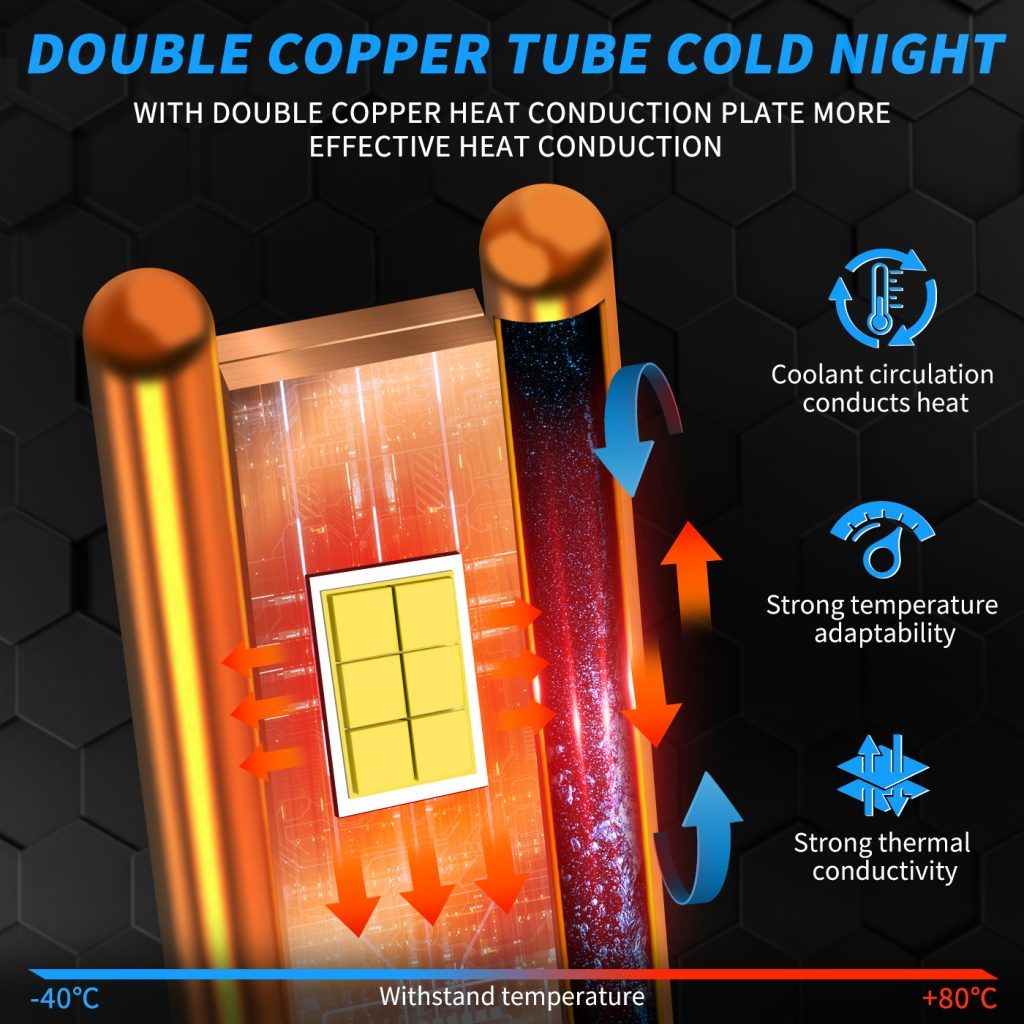
Wattage: 30–50W is the sweet spot for everyday use. Higher wattage means more brightness, but also more heat – so a good cooling system is non‑negotiable.
Lumens: A higher lumen number means more light, but pushing too high raises operating temperatures. The right choice depends on balancing output, cooling, and your actual needs.