Converting car headlights to LEDs has become a popular personalised upgrade – it not only improves night‑driving safety but also enhances vehicle aesthetics. However, LED headlight modification is far more than a simple bulb swap – it involves technical expertise and regulatory compliance. This article covers key considerations across core parameter matching, cooling system design, lens installation, workmanship, legal requirements, and product selection – helping owners upgrade safely and legally.
- Core Parameter Matching
Matching core parameters is the foundation of a successful and safe LED retrofit.
Power matching: LED bulb power should match the original headlight – too high risks circuit overload, too low reduces brightness.
Colour temperature: Must not exceed 6500K per regulations – this ensures adequate brightness without excessively white or blue light that distracts other drivers. The 4300K‑6000K range is recommended.
Brightness standard: LEDs should deliver at least 1,400 lumens to meet night‑driving needs without compromising visibility.
- Cooling System Design
Cooling is often overlooked but critical in LED retrofits.
Why cooling matters: LEDs generate significant heat – poor cooling severely shortens lifespan and degrades performance.
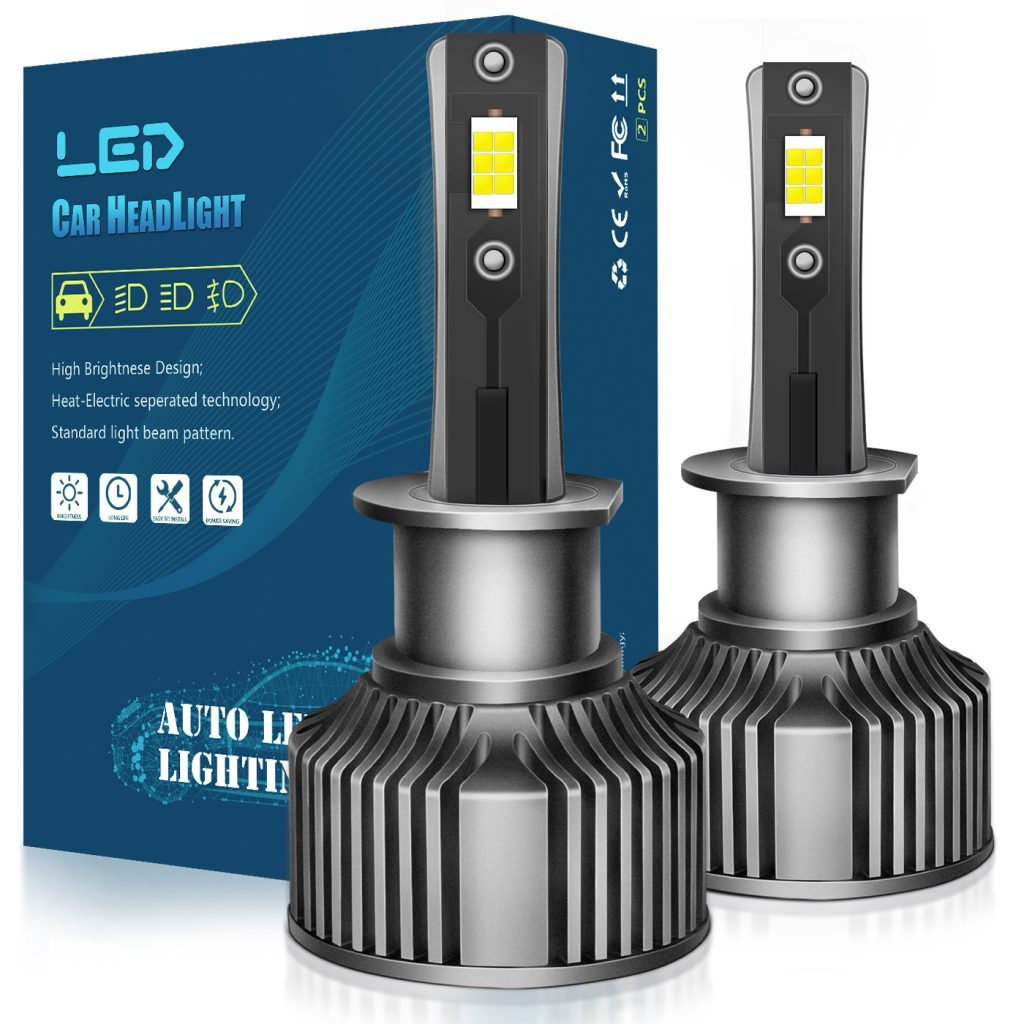
Cooling solutions: Quality LEDs are equipped with efficient coolers – copper heat sinks or fan‑based systems – to dissipate heat effectively.
OEM compatibility: Factory headlight housings aren’t designed for LED cooling – direct bulb swaps concentrate heat, making cooling selection even more important.
- Lens System Installation
Lenses are essential to prevent LED light scatter.
Scatter problem: Swapping to LED bulbs without lenses causes severe scatter – reducing your own visibility and dazzling oncoming drivers.
Lens advantages: Bi‑LED projector lenses control light distribution effectively – focusing the beam for better coverage.
Installation requirements: Professional work is needed – opening the housing, repositioning lenses, and adjusting horizontal angles. For vehicles without factory lenses, installing them is a must for safe, effective LED lighting.
- Workmanship Requirements
Proper installation demands skill and attention to detail.
Correct positioning: Accurate bulb placement and chip orientation are essential – incorrect positioning affects beam distribution.
Circuit safety: Secure all connections to avoid faults or shorts.
Decoder needs: Some vehicles require decoders to resolve compatibility issues between LEDs and the vehicle’s electrical system.
Beam aiming: After installation, adjust the beam angle to meet standards – too high or too low affects visibility or distracts other drivers.
- Legal and Registration Requirements
LED retrofits must comply with local regulations to avoid penalties.
Know the rules: Check local regulations on lighting modifications before starting.
Registration: After modification, register the change with the vehicle authority and update the vehicle photo to match the actual condition.
Compliance standards: LED brightness and colour temperature must meet national standards – non‑compliant modifications risk inspection failure or fines.
- Professional Selection Advice
For quality and safety, choose professional installers and reputable products.
Professional shops: Experienced shops have the equipment and expertise to deliver compliant installations.
Product quality: Prioritise OEM or well‑known brands – avoid cheap, low‑quality products that are short‑lived and potentially hazardous.
Pre‑installation consultation: Get professional advice on vehicle compatibility and modification plans – ensuring a smooth process.
- LED Lifespan and Maintenance
LED headlights typically last around 20,000 hours – premium units can reach 100,000 hours. Under ideal conditions, a standard LED can indeed last 20,000 hours – but real‑world lifespan is affected by:
Power and cooling: Excessive power or poor cooling shortens life
Driver stability: Unstable power affects normal operation
Environment and usage: High heat, humidity, dust, or frequent switching accelerate ageing
Maintenance advice: Inspect headlights every 50,000 km or ~2 years. Choose reputable brands, use them properly, and schedule regular checks – so your LEDs continue to light the road ahead reliably.