There’s no single right answer – it really comes down to the driver’s needs and preferences. Let’s look at the pros, cons, and practical considerations.
The upsides of LED headlights start with energy efficiency – they consume only about one‑twentieth of what a halogen bulb uses. Their lifespan is also exceptional; top‑tier brands rate theirs at up to 100,000 hours, which is roughly the life of the car itself. In terms of illumination, LEDs widen both the low‑beam and high‑beam coverage, make fog lights more conspicuous, and give a noticeably clearer view at night – especially in rain or fog. Many drivers who’ve made the switch report that the low beam spreads evenly with no dark patches, the high beam reaches much further, and the white light (close to natural daylight) is comfortable on the eyes, without the harsh bluish tint of some cheaper bulbs.
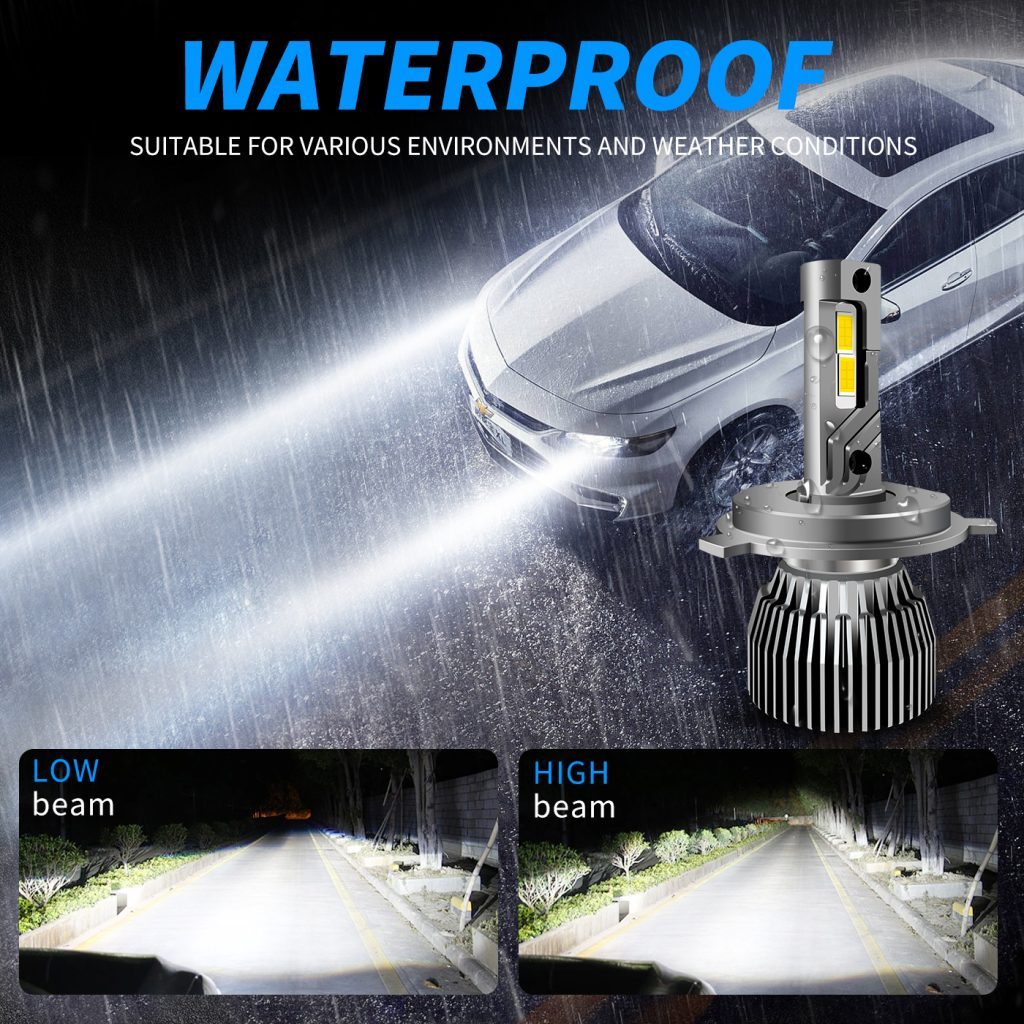
That said, not everyone needs to upgrade. Factory halogens may be dimmer and run hotter, but their heat is spread relatively evenly, which means less localized stress on the internal components. If your halogen lights are still working fine and meet your daily needs, there’s little reason to change them. Swapping headlights isn’t like changing a household bulb – it often means replacing the entire assembly, which adds cost and complexity.
And there are some risks to be aware of. A direct plug‑and‑play LED replacement can sometimes interfere with the vehicle’s lighting control module, triggering circuit faults or error codes – a hidden safety concern. Also, if your car already has xenon (HID) headlights, switching to LEDs is largely unnecessary, since xenon still holds an edge in poor‑weather penetration.
The bottom line: as long as you stay within legal limits, the choice is yours. Good lighting isn’t just about looking sharp – it’s a quiet act of care for yourself and everyone else on the road.