Yes, LED headlights do experience a reduction in brightness over extended use. This is due to “lumen depreciation”—a gradual, irreversible decline in light intensity over time. Under normal use, brightness typically drops by no more than 5% within the first year, around 15% after three years, and may exceed 30% after ten years.
However, the rate of depreciation is not fixed. It is influenced by product quality, driver condition, LED chip integrity, environmental temperature, and other factors. With proper selection and maintenance, lumen depreciation can be effectively slowed, ensuring safe night‑time driving.
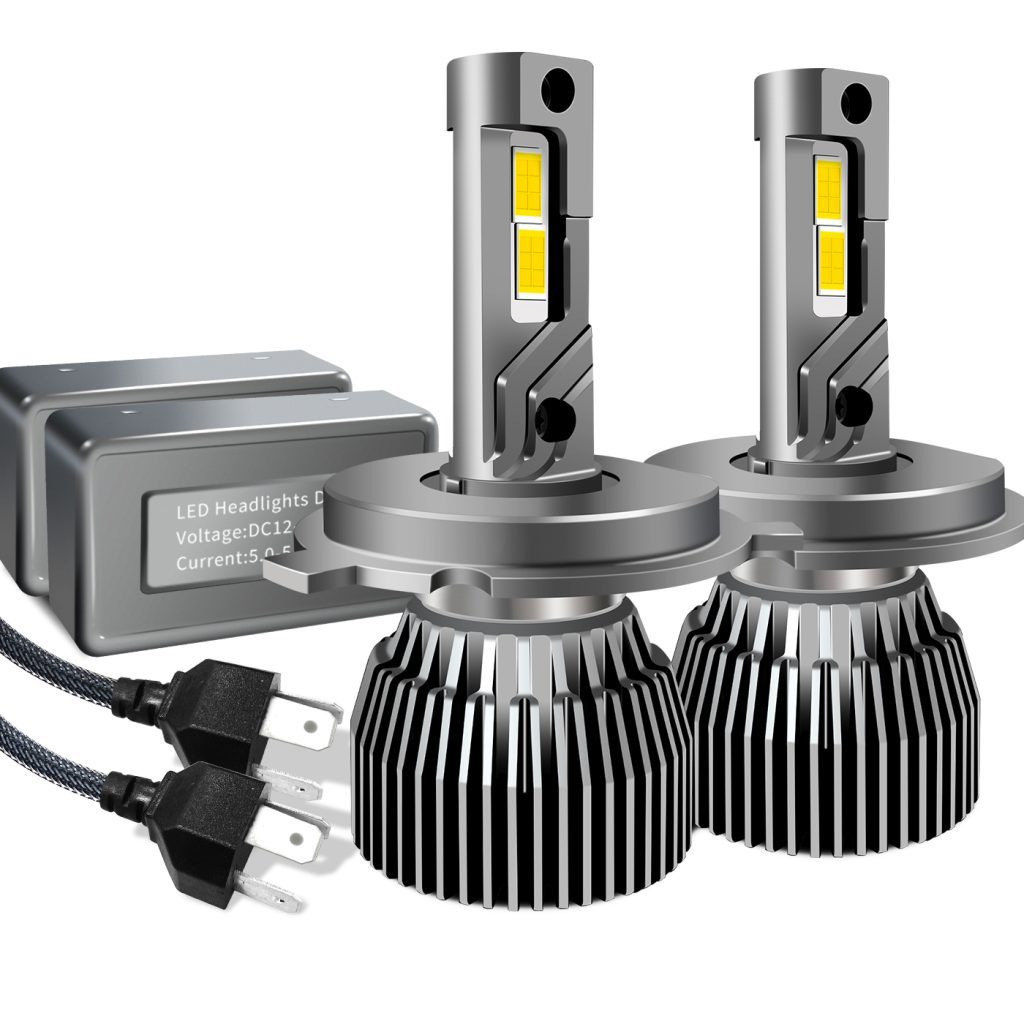
- Key Factors Affecting LED Headlight Lumen Depreciation
Product Quality
Quality is the primary factor. Poor‑quality chips or manufacturing defects cause the chip to overheat during operation, accelerating depreciation. Some cheap, low‑quality LEDs may show noticeable dimming within a short period due to inferior chips.
Driver Failure
The driver is the “heart” of the LED headlight, providing a stable current. If the driver malfunctions, the LED’s light output is compromised, and brightness gradually fades.
Burnt‑out Chips
With prolonged use or under abnormal conditions, individual LED chips may burn out, reducing the illuminated area and overall brightness.
Ambient Temperature
High‑temperature environments hinder heat dissipation, degrading internal components and accelerating depreciation. Low temperatures also affect battery performance and electronic components, indirectly impacting brightness.
Mileage and Service Time
Typically, after 50,000 kilometres or about 2 years of use, headlight brightness may diminish. At this point, a professional inspection is recommended. If brightness is insufficient, replace the bulbs—ideally both sides simultaneously to maintain uniform illumination.
- How to Slow Down LED Lumen Depreciation
Choose reputable brands with robust thermal design
Regularly clean the headlight surface and cooling components
Avoid prolonged exposure to extreme heat or humidity
Periodically inspect the driver for signs of failure
Replace bulbs promptly when noticeable dimming occurs
- Conclusion
LED headlights do dim over time due to lumen depreciation, influenced by product quality, driver health, chip condition, ambient temperature, and usage patterns. Owners should monitor brightness changes and take proactive steps—choosing quality products and maintaining them properly—to slow depreciation and ensure safe, comfortable night driving.